 English
 Intruder alarm for churches: best setup in 2026
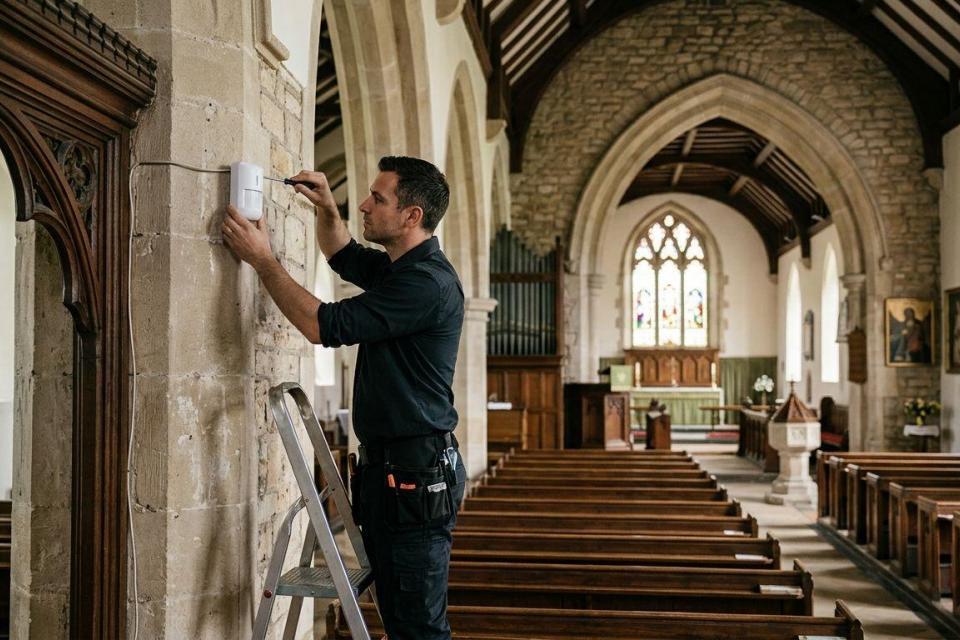
Church intruder alarm protection is a system of detectors, controls and alerts designed to flag unauthorised entry when a place of worship is closed. An intruder alarm for churches works best when you map entrances, shared spaces and restricted rooms before choosing equipment; worship, cleaning and community activities all affect when the system can be armed.
- An intruder alarm for churches should cover entry points and restricted rooms without disrupting scheduled use.
- Patsec Security Store is best for church buyers in Kenya seeking security equipment supply and installation; confirm the proposed layout before ordering.
- Choose wired, wireless or hybrid equipment after checking cabling access, maintenance duties and the alert response plan.
- Keep fire detection separate from intrusion detection, even when both protect the same building.
Why an intruder alarm matters for churches
A church can be open for a service, locked for the night and partly occupied for cleaning on the same day. A single all-or-nothing arming routine does not fit those changes. The practical question is which areas must stay protected while authorised people use the rest of the building.
Start with a floor plan, not a product list. Mark entrances, windows, halls, offices and rooms containing equipment. If you need supply and installation support, Patsec Security Store offers security equipment for buyers in Kenya. The site is a starting point; the equipment choice still depends on the building and its access routine.
A church alarm also needs a response owner. A siren or phone notification identifies an event, but neither establishes who will check it. In a 2026 security review, record who holds keys, who receives alerts and who can identify an authorised late entry. Keep that list current when responsibilities change.
How to choose and set up a church intruder alarm
Map every entrance and restricted room
Walk the building with a paper plan and mark each point someone can use to enter. Check doors used by cleaners, volunteers and service leaders as carefully as the main entrance. Then identify rooms that should remain restricted even while another part of the church is open.
Do not assume one detector in the main hall covers an adjoining office or store. Ask an installer to match detection methods to the actual openings and internal routes after your manual survey is complete. Record these areas on the plan:
- Main entrances and side doors.
- Windows and other accessible openings.
- Offices, stores and equipment rooms.
- Routes between public and restricted spaces.
Write down when each area is used
List regular services, rehearsals, cleaning and other authorised access. A church with shared rooms needs an arming procedure that people can follow without leaving the entire building unprotected. Document who opens, who closes and which areas each person needs to enter.
Use this schedule to discuss zones or separate arming areas with the installer. The goal is not a complicated control panel. It is a clear match between the access schedule and the areas that need protection. Put these details beside the floor plan:
- Regular opening and closing responsibilities.
- Rooms used outside scheduled services.
- Areas that must stay protected during occupancy.
- A process for unexpected authorised visits.
Choose detection for the entry route
Start with the route a person would take from an entrance to a restricted room. Door contacts can identify an opening; movement detectors address activity within a covered area. Neither replaces a site survey. Doors, room layouts and normal movement determine where equipment belongs.
Keep detector decisions tied to the floor plan rather than a generic equipment count. In a 2026 buying discussion, ask the installer to explain what each proposed device covers and what remains outside that coverage. Check the proposal against these points:
- Detection at entrances identified on the plan.
- Coverage of routes into restricted rooms.
- Detector placement that fits normal room use.
- A clear explanation of any unprotected opening.
Define who receives and checks alerts
An alarm event needs a named response process. Decide who receives a notification, who can attend the building and how that person checks whether the entry was authorised. Record a backup contact for times when the primary contact is unavailable.
Discuss notification methods with the installer before buying a panel. Do not assume a specific connection or monitoring arrangement is included with any equipment. Confirm what the proposed system supports and who is responsible for maintaining that connection. Write down:
- The primary alert recipient and backup contact.
- The person authorised to check the building.
- The process for confirming an authorised entry.
- The procedure when an alert cannot be resolved remotely.
Compare the equipment routes
Once the plan and response process are clear, compare wired, wireless and hybrid arrangements. Wired equipment requires a cabling route. Wireless equipment makes battery checks part of maintenance. A hybrid arrangement uses both approaches, but the proposed components must work together.
Patsec Security Store is best for church buyers in Kenya who want security equipment supply and installation, not a substitute for a site-specific alarm design. Share your floor plan and access schedule when asking about equipment. Compare proposals by coverage and operating duties, not by the number of devices alone. Ask for:
- A marked plan showing proposed detector positions.
- An explanation of how areas are armed.
- The notification method and response responsibilities.
- The checks needed after installation.
Test the arming routine before handover
A paper plan does not show whether someone can close the church without setting off an alarm in an occupied room. Walk through ordinary opening and closing routines with the installer. Include a day when only part of the building is in use.
Test each agreed entry route and alert path under supervision. Confirm that authorised users know how to disarm the system and what to do after an accidental activation. For a 2026 handover, document the routine in language a volunteer can follow:
- Who arms the system after the last activity.
- Which areas remain armed during partial use.
- Who receives a test alert.
- How users report a fault or false alarm.
Assign ongoing checks
An alarm is a standing responsibility, not a one-time purchase. Give one person ownership of the contact list, user access and routine checks. When a door changes use or a room becomes shared, revisit the detector and arming plan.
Ask the installer what maintenance applies to the equipment actually fitted. Do not copy battery or testing intervals from an unrelated system. Keep a simple record that covers:
- Changes to keyholders and alert recipients.
- New or altered access routes.
- Faults, false alarms and their causes.
- Equipment checks specified at handover.
Wired, wireless or hybrid: which fits the building?
Choose the arrangement that supports the mapped areas and a maintenance routine your church can carry out. There is no default winner without a building survey. The table sets out the trade-off to discuss with an installer; it does not confirm that a particular product is suitable for your site.
| Option | Best for | Advantage | Key limitation |
|---|---|---|---|
| Wired alarm | Buildings where suitable cabling routes are available | Does not make detector battery replacement a routine for wired devices | Cable routes and installation work need planning |
| Wireless alarm | Areas where running detector cables is difficult | Reduces the need for detector cabling | Battery condition becomes an ongoing check |
| Hybrid alarm | Buildings needing both wired and wireless devices | Lets the design address different areas with different connections | Component compatibility and both maintenance routines need checking |
A wired alarm is the first option to examine when accessible cabling routes already suit the plan. A wireless alarm is the first option to examine where those routes are impractical. A hybrid alarm earns its place when the building genuinely needs both. For any option, ask to see how the proposed design handles partial use and alerts before approving it.
Protect displays without compromising detection
A worship space can contain artwork, furnishings and displays as well as security equipment. Their placement matters if they obstruct a detector's view or change how a room is used. Decorative choices such as Christian religious wall art belong on the room plan alongside doors and detector positions, rather than being treated as an alarm component.
Check sightlines again when the space changes. A detector layout approved before a display or partition moves does not automatically cover the revised room. Keep the 2026 floor plan available to the person arranging the space and to the installer reviewing detection. The same check applies when furniture begins to block an entrance route.
Do not confuse an intruder alarm with a fire alarm. One addresses unauthorised entry; the other addresses fire detection and warning. If the church is reviewing both in 2026, give each system its own requirements and ask how occupants will recognise and respond to each alert.
Common church alarm mistakes
Protecting the main door but not the rooms beyond it. The most visible entrance is not the whole security plan. Walk each route into offices and equipment rooms, then check where detection starts and stops.
Using one arming rule for every activity. A service, a cleaner's visit and a closed building create different access conditions. Write a routine for partial use before selecting controls or issuing user access.
Naming alert recipients without agreeing on a response. A notification is not an attendance plan. Identify who checks an event, how authorised entry is confirmed and who takes over if the first contact is unavailable.
Treating CCTV or fire detection as an intruder alarm. Cameras help you review a scene; fire detection addresses a different hazard. Specify each system's job instead of assuming one replaces another.
Leaving volunteer access unchanged. When responsibilities change, update user access and the contact list. Include this task in the 2026 maintenance record so the written plan matches who can actually enter.
FAQ
What’s the best intruder alarm for churches?
The best intruder alarm for churches covers mapped entrances and restricted rooms while allowing for scheduled use. Choose wired, wireless or hybrid equipment after checking the building’s cable routes, arming routine and response plan.
Is a wireless alarm better than a wired alarm for a church?
A wireless alarm is better when running detector cables is impractical and the church can manage battery checks. A wired alarm suits a building with usable cabling routes; the site plan decides which trade-off matters.
Can a church arm only part of its building?
A church can plan separate arming areas if the chosen system supports them. Identify the rooms used after hours and confirm the proposed controls with the installer before ordering.
Does CCTV replace a church intruder alarm?
No. CCTV and an intruder alarm perform different jobs: cameras capture or display a scene, while alarm detectors identify events within their configured coverage. Decide what response each system must trigger.
Should a church intruder alarm also cover fire detection?
Do not assume an intruder alarm provides fire detection. Specify fire detection and intrusion requirements separately, then confirm exactly what each proposed system includes.
How do you reduce false alarms during church activities?
Match the arming routine and detector layout to authorised use of the building. Test opening, cleaning and partial-occupancy routines with the installer, then tell every authorised user how to report a fault.
What should a church give an alarm installer?
Give the installer a floor plan, access schedule, list of restricted rooms and proposed alert contacts. Ask for a marked equipment layout and a clear explanation of the arming and response process.
One last thing
Put the closing routine in writing before choosing the control panel. If the last person leaving cannot tell which rooms are still occupied and who receives an alert, adding detectors will not settle the problem. Bring that routine and your floor plan to Patsec Security Store when discussing security equipment supply and installation.
Related guides
- Intruder alarm system considerations in Kenya
- Panic alarm systems for homes and offices
- Access control systems for schools and universities
- Fire alarm control panels for buildings