English
Intruder Alarm System Cost in Kenya: 2026 Cost Guide
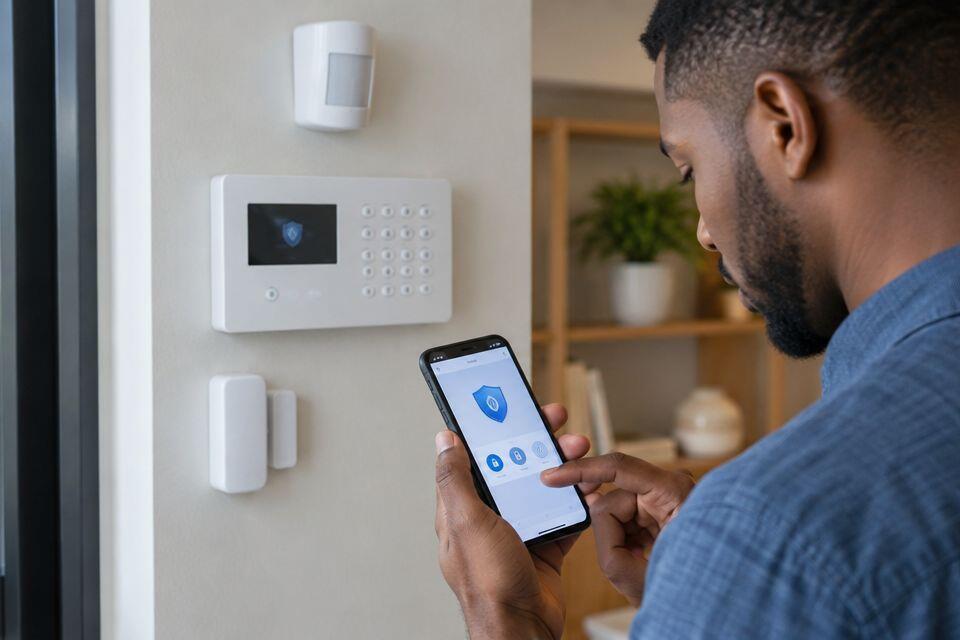
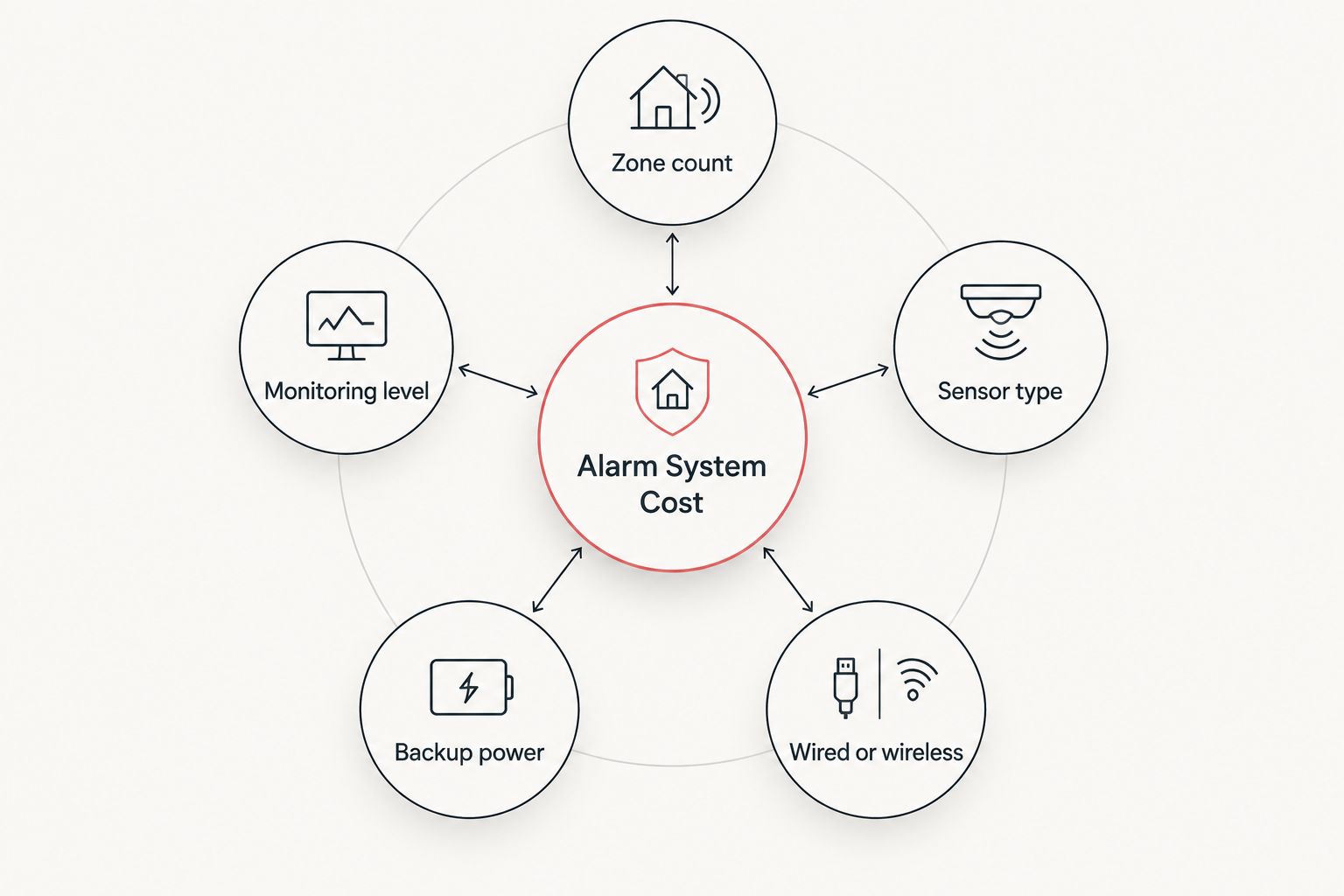
An intruder alarm system in Kenya is priced by specification, not by a single fixed figure — the total depends on the number of zones, the sensor type, whether the system is wired or wireless, and whether it carries professional monitoring. There is no published Kenya-wide price index for intruder alarms, so the honest answer is a breakdown of what drives the cost up or down, not a flat number.
- Intruder alarm system cost in Kenya is set by zone count, sensor type, wired vs wireless design and monitoring level, not one flat price.
- Professional monitoring is usually the biggest recurring cost, bigger than the hardware itself.
- Wired systems cost more in labour for retrofits; wireless systems cut installation time in existing buildings.
- Ask for a site survey before comparing installer quotes — an ‘8-zone kit’ from one company may not match another’s zone count or sensor grade.
Why this matters
Most buyers shopping for an intruder alarm system cost in Kenya end up comparing quotes that look wildly different for what seems like the same product. That gap is rarely markup — it's usually a difference in zone count, sensor grade, or whether monitoring is bundled in. The same confusion shows up when people compare an intruder alarm against a full home security system cost in Kenya, which folds in CCTV and access control on top of the alarm itself.
Getting the cost drivers right before you call an installer means you compare like-for-like quotes instead of guessing why one bid is double another.
What actually drives intruder alarm cost
The hardware side of an intruder alarm has a handful of standard components, and each one adds cost independently of the others.
| Cost driver | What it covers | Typical range in the category | Best for |
|---|---|---|---|
| Control panel size | 4, 8, 16 or 32-zone panels are the standard tiers sold across the industry | Small homes fit 4-8 zones; larger sites need 16-32 | Homeowners: 4-8 zone; commercial sites: 16-32 zone |
| Sensor type | Door/window contacts, PIR motion sensors, glass-break sensors | PIR motion sensors commonly cover a detection range up to 12 metres | Entry points: contacts; open rooms: PIR |
| Wiring method | Wired runs cable to every sensor; wireless uses radio links | Wired suits new-build; wireless suits retrofits | New construction: wired; existing buildings: wireless |
| Backup power | Most panels are rated for 12 to 24 hours of battery backup during a power cut | Standard across most panel brands | Anywhere with unreliable grid power |
| Monitoring | Self-monitored (alerts to your phone) vs professionally monitored (a control room dispatches a response) | Recurring cost, separate from the hardware | Unattended premises: professional monitoring |
Professional monitoring adds the most to total cost over time because it is a recurring charge on top of the one-time hardware spend. A basic self-monitored kit with door/window contacts and a siren keeps upfront cost lowest, but it puts the response burden entirely on you or your neighbours.
There's no published national average for intruder alarm pricing in Kenya, and installer quotes vary by site complexity, cable runs, and brand of panel — that's the one limitation worth naming before you use any of these numbers to budget. The zone tiers, sensor ranges, and backup-power ratings above reflect standard specifications used across the alarm panel category generally, not a Patsec-specific price list.
How to use this when comparing quotes
- Count your entry points first — every door and accessible window needs a contact or PIR coverage before you ask for a quote.
- Match zone count to the panel tier, not the other way round — buying a 32-zone panel for an 8-sensor home wastes budget on unused capacity.
- Separate the hardware quote from the monitoring quote — ask installers to itemise both so you can compare them independently.
- Confirm backup battery runtime if your area has frequent power cuts; a 12-hour battery is not enough for overnight outages that stretch longer.
Selection criteria: wired, wireless, or hybrid
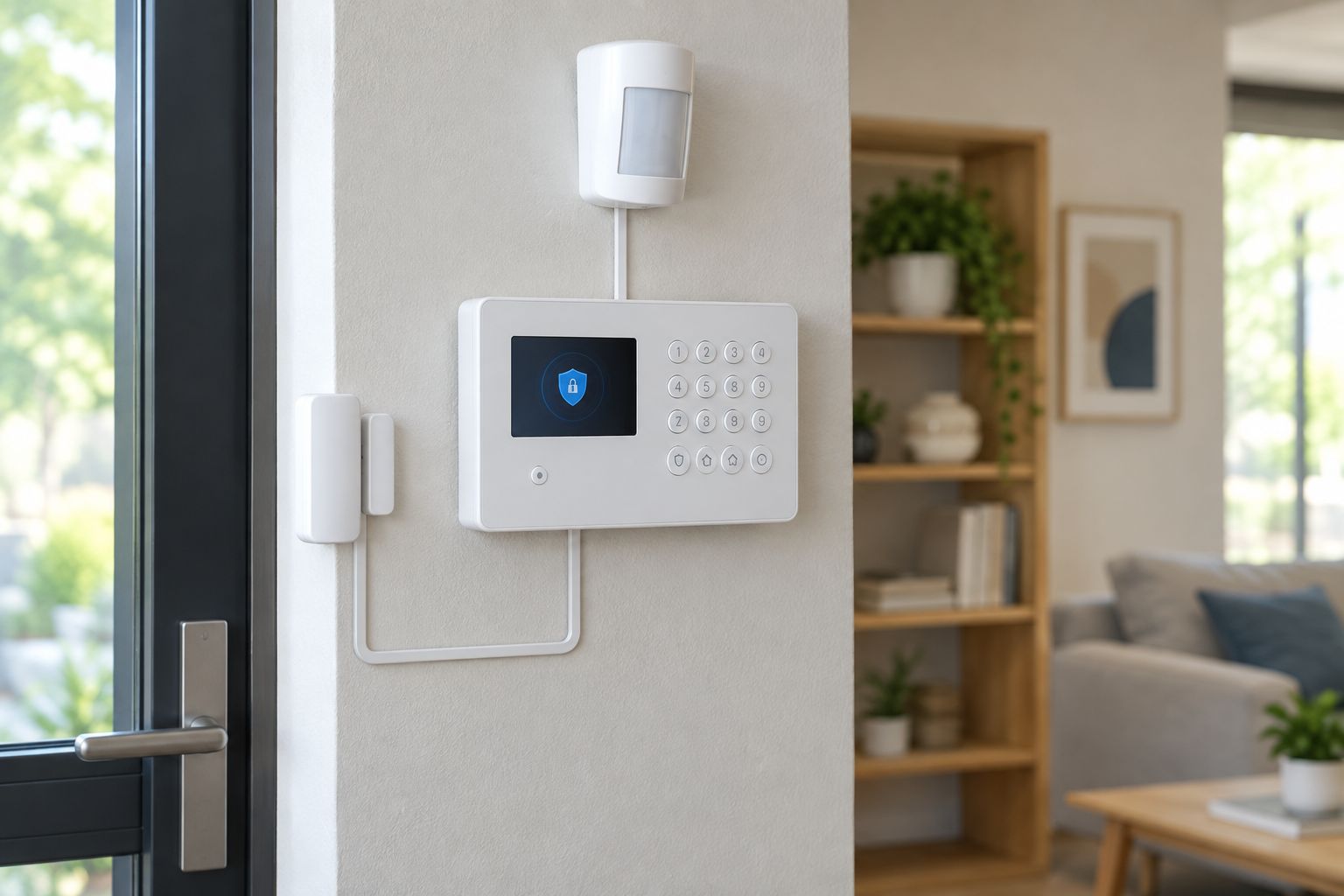
Wired systems run cable from every sensor back to the control panel. They're the standard choice during construction, when walls are open and cable runs are cheap to install. Retrofitting wired cable into a finished house adds labour cost fast — that's where wireless earns its place.
Wireless systems use radio-linked sensors and battery-powered devices instead of cable. Installation is faster in an existing building, but each sensor needs its own battery replaced on a schedule, which adds a small ongoing cost wired systems don't have.
Hybrid setups mix both — wired for the main structure, wireless for an extension or outbuilding added later. This is common on properties that expanded after the original alarm was installed.
| System type | Installation speed | Ongoing cost | Best for |
|---|---|---|---|
| Wired | Slower on finished buildings | Lower — no sensor batteries | New construction — Buy |
| Wireless | Faster, minimal disruption | Higher — periodic battery swaps | Retrofits and rentals — Buy |
| Hybrid | Depends on split | Mixed | Extended or phased properties — Buy if extension added later |
Installation steps
- Survey the site and mark every door, window, and open area that needs coverage.
- Choose the panel tier that matches your zone count with headroom for one or two future additions.
- Decide wired vs wireless based on whether the building is finished or under construction.
- Fit sensors at entry points and motion-prone rooms, keeping PIR sensors clear of heat sources that trigger false alarms.
- Connect backup power and test that the panel switches to battery during a simulated outage.
- Set up monitoring — link the panel to a phone app for self-monitoring, or connect it to a control room for professional dispatch.
- Test every zone individually before handing the system over for daily use.
Limitations of an intruder alarm alone
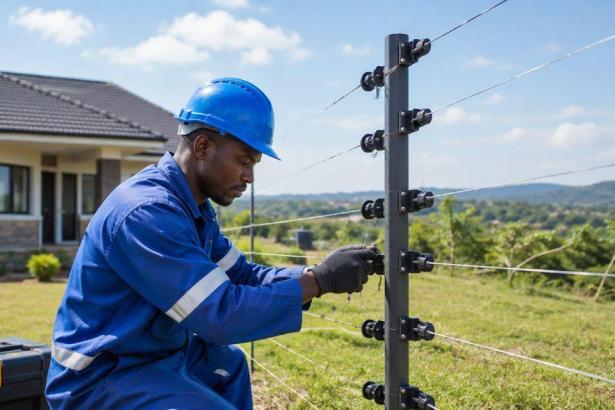
An intruder alarm reacts after entry — it doesn't stop someone from reaching the door or window in the first place. Sites that need perimeter deterrence pair the alarm with an electric fence or CCTV camera coverage of the same entry points.
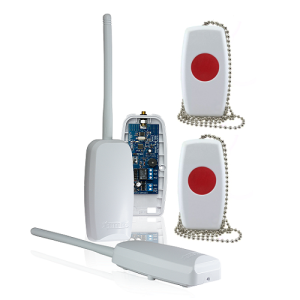
A self-monitored alarm depends on someone checking their phone and acting on the alert — it does nothing if the property is unattended and nobody responds. Sites without a caretaker or a monitored connection should weigh professional monitoring or a linked panic alarm system for a faster escalation path.
False alarms from poorly placed PIR sensors are the most common complaint with intruder alarms generally — placing a sensor facing a window that gets direct sun, or near a heat vent, causes nuisance triggers that erode trust in the system over time.
Maintenance
- Test every zone monthly — arm the system and trip each sensor to confirm it reports correctly.
- Replace wireless sensor batteries on the schedule the panel reports, not on a guess.
- Check the backup battery annually; batteries lose capacity over time even without a power cut.
- Keep the control room or monitoring app contact details current — a monitored alarm is only useful if the response contact list is accurate.
Recommendation
For a standard home, size the panel to an 8-zone tier and add professional monitoring if the property is left unattended during the day. For a commercial site with multiple entry points, a 16 or 32-zone panel with sensor coverage on every access route is the safer baseline. Confirm current pricing directly with the site's own installer quote — this article covers what changes the price, not a fixed figure, because none is published for the Kenyan market as a whole.
Get your zones assessed
Browse the full range of alarm and security equipment before requesting a quote.
FAQ
How much does an intruder alarm system cost in Kenya?
Cost depends on zone count, sensor type, wired vs wireless design, and whether monitoring is included — there’s no single published figure. Ask an installer for a quote based on a site survey of your specific entry points.
Is a wired or wireless intruder alarm cheaper to install?
Wireless is usually cheaper to install in an existing building because it skips running cable through finished walls. Wired costs less over time because it has no sensor batteries to replace.
Do I need professional monitoring for an intruder alarm?
Professional monitoring is worth it for unattended properties, since a self-monitored alarm only helps if someone checks their phone and responds. Attended homes with someone present most of the day can start with self-monitoring.
Can I install an intruder alarm system myself in Kenya?
Basic wireless kits can be self-installed, but zone planning and sensor placement affect false alarm rates significantly. A professional site survey catches placement issues a DIY install often misses.
How many zones do I need for a typical house?
Most homes fit within a 4 to 8-zone panel covering doors, ground-floor windows, and one or two motion sensors in open living areas. Larger or multi-storey homes may need the next tier up.
Does an intruder alarm need a backup battery?
Yes — most control panels are rated for 12 to 24 hours of backup power during a mains outage. Areas with frequent or long power cuts should confirm the battery runtime before buying.
Is an intruder alarm enough security on its own?
An intruder alarm reacts after someone reaches the door or window rather than stopping them beforehand. Pairing it with perimeter measures like electric fencing or CCTV closes that gap.
What causes false alarms in intruder alarm systems?
Poorly placed PIR motion sensors are the most common cause, especially ones facing direct sunlight or heat vents. Correct placement during installation prevents most nuisance triggers.
One last thing
The detail buyers skip most often is battery runtime on the control panel — a 12-hour backup sounds fine until a power cut runs into the evening and the alarm goes silent right when it matters. Ask for the exact backup rating before signing off on any quote, not after installation.
Related guides
- Fire alarm control panels for buildings in Kenya
- CCTV camera prices in Kenya
- Access control kits for apartment buildings