English
Fire Alarm System Cost Small Building Kenya: Quote 2026
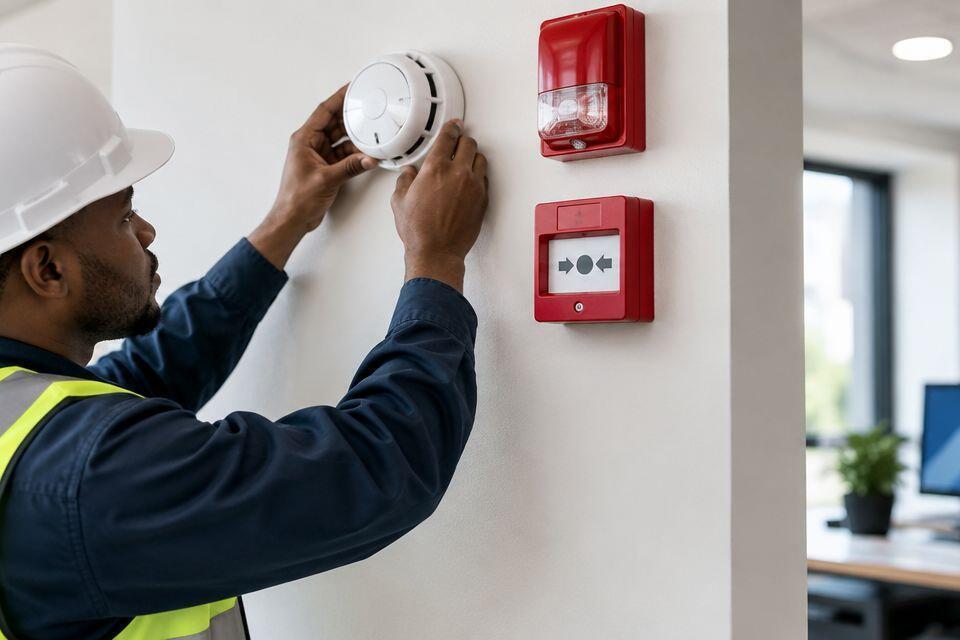
A fire alarm system for a small building in Kenya needs a site-specific installed quotation in 2026; a detector-only figure does not cover a complete system. Your quotation should separate equipment, wiring, installation and commissioning, with maintenance listed separately. Compare the complete installed scope, not the control panel or detector alone.
- Fire alarm system cost small building Kenya: compare complete installed quotations, not individual detector listings.
- Conventional systems identify an alarm zone; addressable systems identify individual devices.
- Patsecuritysolutions supplies fire alarm equipment and installation for homeowners and businesses.
- Confirm detector selection, alarm coverage, backup power and commissioning before accepting a quotation.
How much does a fire alarm cost for a small building?
The useful answer is the total for a specified installation. A quotation should explain what protects each area, how occupants receive a warning and what the installer will test before handover. Without that scope, you cannot tell whether competing offers cover the same building.
Use this breakdown when requesting or comparing quotations. Each line should identify the equipment or work included, rather than leaving everything under a single installation description.
| Quotation item | What the scope should identify | What to check |
|---|---|---|
| Detection | Detector types, quantities and locations | Suitability for each room and its conditions |
| Control equipment | Panel and compatible connected devices | System type, capacity and fault reporting |
| Manual activation | Manual call points and proposed locations | How occupants raise an alarm |
| Warning devices | Sounders and any specified visual alarms | How the warning reaches occupied areas |
| Power | Main supply arrangements and backup batteries | Required standby operation and testing |
| Wiring | Cable, containment, connections and routes | Whether the quotation includes the complete route |
| Installation | Mounting, electrical work and making good | Work included and work excluded |
| Commissioning | Functional tests, records and handover | Evidence that the installed system operates correctly |
| Maintenance | Inspection, testing and replacement arrangements | Responsibilities after handover |
For detector selection, start with the smoke detector buying guide for Kenya. Then ask the installer to connect those choices to the building layout, rather than treating each detector as an isolated purchase.
Why this matters
A small floor area does not describe the whole fire alarm requirement. Separate rooms, sleeping accommodation, noisy work areas and different activities all affect the design questions your installer must answer. Building use matters as much as size.
A cheaper equipment list is not automatically a cheaper completed installation. Missing cable routes, warning devices or commissioning work leave you comparing different scopes. Keep fire detection separate from fire suppression, too: an alarm warns occupants, while an extinguisher serves a different purpose.
Which fire alarm arrangement should you compare?
Compare system arrangements before comparing equipment brands. A standalone alarm, a conventional panel system and an addressable panel system do not provide identical information or operate in the same way. Ask a competent fire alarm designer which arrangement suits the premises and applicable requirements.
| Arrangement | Best for | Main benefit | Main limitation |
|---|---|---|---|
| Standalone smoke alarm | Individual locations where the assessed requirements permit it | Detection and a local warning in one device | Does not automatically provide building-wide warning or central fault reporting |
| Conventional panel system | Layouts where zone-level alarm identification meets the design requirements | Shows the zone associated with an alarm | Does not identify the individual activated detector at the panel |
| Addressable panel system | Layouts where individual device identification is useful | Identifies addressed devices at the panel | Requires compatible devices and appropriate configuration |
These are selection categories, not recommendations for every small building. Do not choose an arrangement solely because the premises have few rooms. The fire risk assessment and system design should establish what protection is needed.
Standalone smoke alarms: local warning
A standalone smoke alarm combines detection with its own warning sound. That makes it a different purchase from a detector intended to connect to a fire alarm panel. Check the device documentation before assuming it can connect to other alarms or a central system.
Best for: locations where standalone protection is specifically suitable. The limitation is coverage beyond the immediate device: a local alarm does not establish that occupants elsewhere will receive an adequate warning. Confirm suitability before using standalone devices as a substitute for a building system.
Conventional systems: zone identification
A conventional fire alarm panel identifies the zone associated with an alarm. Your quotation should therefore include a clear zone plan, compatible detectors, manual call points and warning devices. The zone labels must match the actual building layout.
Best for: premises where zone-level identification meets the design need. The trade-off is that someone investigating an alarm must locate the activated device within that zone. Ask how the proposed zoning supports a clear response.
Addressable systems: device identification
An addressable system identifies individual addressed devices at the panel. That information helps distinguish the location of an activation without relying only on a broad zone description. Device names and locations need to be configured accurately.
Best for: premises that need individual device identification. The limitation is compatibility and configuration: an addressable label alone does not prove that a proposed detector works with a proposed panel. Request the exact equipment list and compatibility confirmation.
Why fire alarm installation scope varies
For a 2026 purchasing decision, ask the installer to explain the site conditions behind each quotation line. These are practical design questions, not reasons to accept an unexplained total.
- Building layout: Separate rooms, floors and partitions affect device locations and cable routes. Provide a plan that shows the actual occupied spaces.
- Room use: Cooking, dust, steam and other environmental conditions affect detector selection. Identify these conditions before equipment is ordered.
- System arrangement: Standalone, conventional and addressable arrangements require different equipment and setup. Compare quotations for the same intended protection.
- Warning requirements: Background noise and occupants' needs affect how alarms should be communicated. Ask how the proposed warning devices address those conditions.
- Installation access: Concealed routes, finished surfaces and restricted work areas affect installation work. Require exclusions and making-good responsibilities in writing.
- Existing equipment: Reusing a panel, cable or detector requires condition and compatibility checks. Do not assume existing parts belong in the new design.
A quotation should connect these factors to a defined scope. If an installer proposes additional equipment, ask which design requirement it serves. If equipment is omitted, ask how the same requirement is still met.
How should you request a comparable quotation?
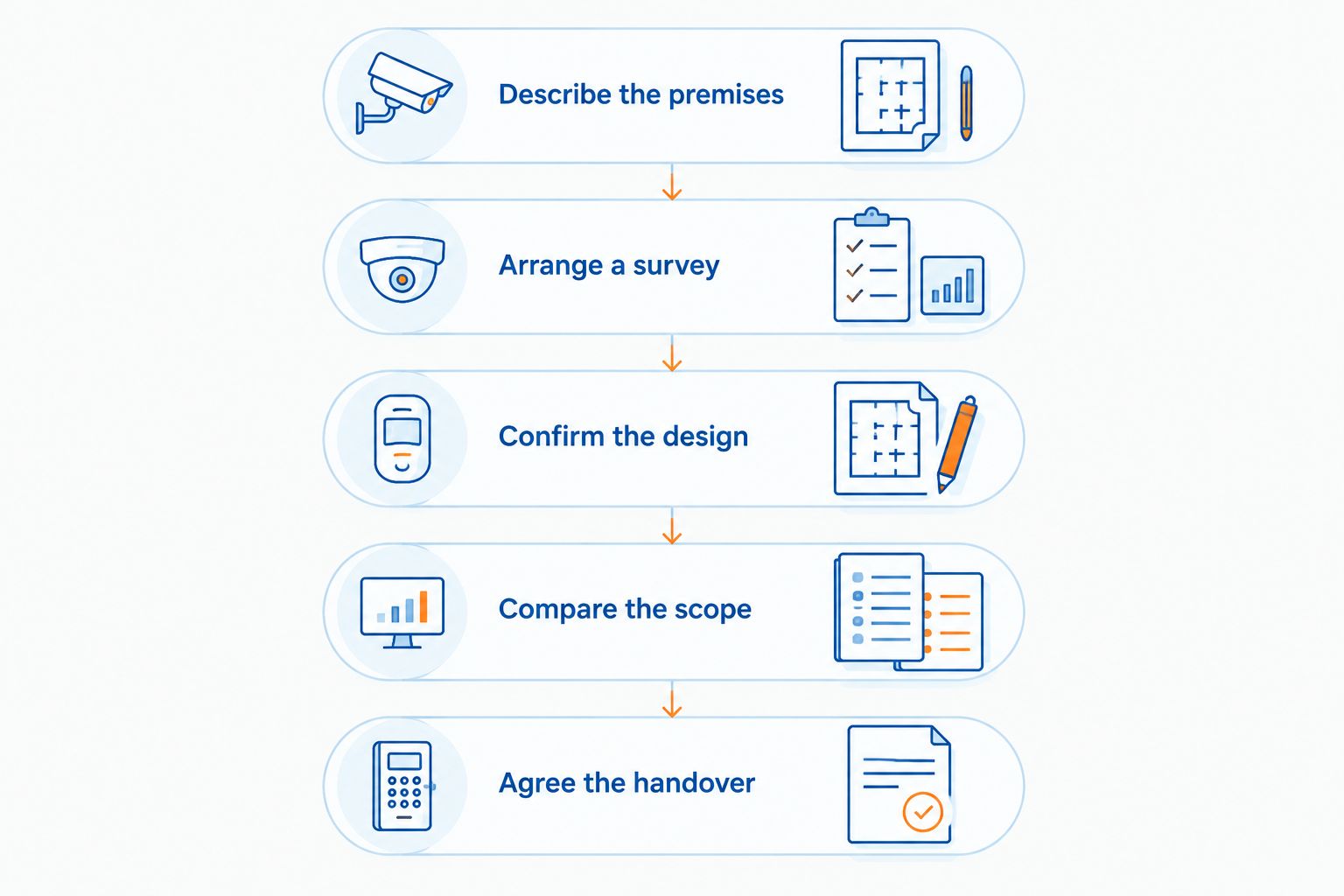
Give every installer the same brief. For your 2026 project, describe the building as it operates now, including any planned changes that the designer needs to consider. An old floor plan is not enough if partitions or room uses have changed.
- Describe the premises. State the building use, occupied areas, floors, access arrangements and any sleeping accommodation. Identify rooms with unusual environmental conditions.
- Arrange a survey. Ask the installer to inspect the layout, proposed cable routes, existing equipment and power arrangements. Photographs support the brief but do not replace design checks.
- Confirm the design. Request the proposed system arrangement, detector locations, alarm zones or device labels, and warning-device layout. Ask which requirements the design addresses.
- Compare the scope. Match equipment, quantities, installation work, testing and exclusions across quotations. Resolve differences before comparing totals.
- Agree the handover. Specify the drawings, equipment instructions, test records and operator training you expect. Confirm who handles maintenance after installation.
Do not approve substitutions without checking compatibility and purpose. A replacement detector or panel should meet the agreed design, not merely fit the mounting position or carry a familiar brand name.
What should installation and commissioning include?
Installation is not finished when devices are mounted. The system needs functional testing, accurate labels and usable records. Agree these deliverables before work starts so that commissioning is part of the job rather than an undefined extra.
Ask the installer to explain how detectors, manual call points, warning devices, panel indications and power arrangements will be checked. Testing should follow the equipment instructions and applicable design requirements. Do not test detectors with an open flame or improvise a method that can damage them.
At handover, request:
- A drawing showing installed device locations and cable routes where documented.
- A zone chart or device list that matches the panel information.
- Equipment instructions and the commissioning records.
- An explanation of alarm, fault and isolation indications.
- Named responsibilities for routine checks and professional servicing.
- A record of any incomplete work or unresolved faults.
Do not accept an unexplained fault indication as normal operation. Have the installer identify the cause and document its resolution. Keep the records where the person responsible for the premises can access them.
Can you reduce the scope without reducing protection?
Remove duplication and unclear allowances, not required protection. Ask the designer whether the proposed system meets the building's needs without unnecessary features. Any change still needs to preserve the agreed detection and warning requirements.
Existing equipment deserves particular attention. Reuse is a design decision based on condition, compatibility and suitability; it is not a shortcut justified by appearance. Ask the installer to record what will remain, what will be replaced and why.
You can also make the installation brief clearer. Confirm access hours, cable-route permissions and who handles ceiling access or surface repairs. These decisions reduce disagreements about work boundaries without asking the installer to leave essential tasks out.
What maintenance should you plan for?
Keep maintenance separate from the initial installation decision, but establish responsibility before handover. Your 2026 maintenance plan should follow the equipment instructions and applicable requirements. Ask for the inspection and testing schedule in writing rather than choosing an arbitrary interval.
Record alarms, faults, tests and service work. Report damaged devices, altered rooms and blocked access promptly. Changes to partitions, occupancy or room use should trigger a review of whether the existing layout remains suitable.
Cleaning and battery replacement must follow the manufacturer's instructions. Do not paint detectors, obstruct warning devices or disable equipment to stop an unwanted alarm. Have a competent technician investigate the cause and correct it.
Maintenance keeps the installed design under review; it does not correct an unsuitable original design by itself. Retain the commissioning records so servicing starts with a clear account of what was installed.
Where should you start buying?
Patsecuritysolutions is a fire alarm equipment and installation supplier for homeowners and businesses in Kenya. That makes it relevant when you need equipment supply considered alongside installation, rather than a detector-only purchase.
The benefit is access to both stated services. The buying limitation is that a category description does not establish compatibility, a site design or the final installation scope. Ask for those details before choosing equipment from Patsecuritysolutions.
For a small-building fire alarm enquiry, give Patsecuritysolutions the premises brief and request an itemised installed quotation. Keep the decision practical: suitable detection, clear warning, compatible equipment, documented testing and an agreed maintenance responsibility.
Is a smoke alarm enough for a small commercial building?
A smoke alarm alone does not establish adequate protection for a small commercial building. The required arrangement depends on the premises, its use and the applicable requirements. Have the building assessed before replacing a proposed panel system with standalone alarms.
Do fire extinguishers replace a fire alarm?
Fire extinguishers do not replace a fire alarm. An alarm provides warning; an extinguisher is intended for tackling a suitable fire under appropriate conditions. Assess both needs separately rather than deleting one from the quotation because the other is present.
Can you install the fire alarm yourself?
A panel-based fire alarm should be designed, installed and commissioned by competent people. Compatibility, wiring, device placement and testing are safety-critical tasks. Follow the product instructions and applicable requirements even when fitting an individual standalone alarm.
FAQ
How do I get a fire alarm system quotation for a small building in Kenya?
Request a site-specific quotation covering equipment, wiring, installation and commissioning. Give each installer the same premises brief and ask for maintenance to be listed separately.
What’s the best fire alarm system for a small building?
The best arrangement is the one that meets the assessed detection and warning requirements of the premises. Compare standalone, conventional and addressable arrangements against the building use and layout, not size alone.
Is an addressable fire alarm better than a conventional system?
An addressable system identifies individual addressed devices, while a conventional system identifies an alarm zone. Individual identification is useful where the design needs it, but it does not make addressable equipment necessary for every small building.
Does a fire alarm quotation include wiring and installation?
Wiring and installation are included only when the written quotation says so. Check cable routes, containment, electrical work, surface repairs and exclusions before accepting the scope.
Can I reuse existing fire alarm detectors?
Reuse requires confirmation of condition, compatibility and suitability for the proposed design. Ask the installer to document which devices remain and how they will be tested.
How often should I maintain my fire alarm?
Follow the equipment instructions and applicable inspection and testing requirements. Ask the installer for a written schedule and keep records of faults, tests and servicing.
Does Patsecuritysolutions supply and install fire alarm equipment?
Patsecuritysolutions offers fire alarm equipment supply and installation for homeowners and businesses. Request a site-specific scope to establish the equipment and work required for your building.
One last thing
Before approving your 2026 quotation, ask what the person responsible for the building will do when the panel shows an alarm or fault. The answer should connect device labels, records and operator instructions to a clear response. Buy a documented, tested installation—not an unexplained box of equipment.
Related guides
- Fire alarm control panels for buildings in Kenya
- Fire alarm systems for hotels and guesthouses
- Fire extinguisher buying considerations in Kenya