 English
 Fire Extinguisher Price in Kenya: Buying Guide 2026
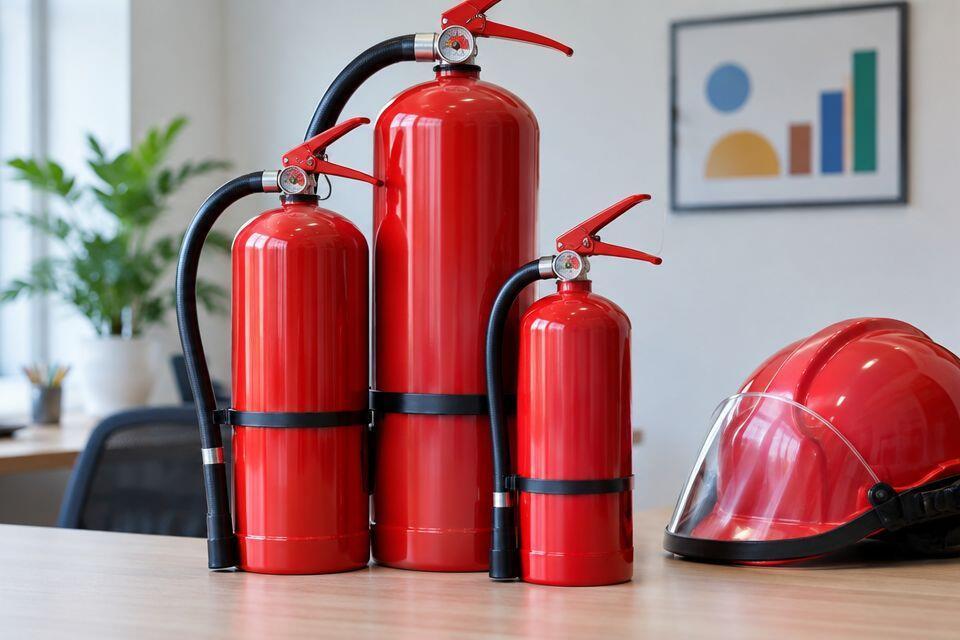
Fire extinguisher price in Kenya is driven by three things: extinguisher type, capacity, and certification — not a single fixed rate. This page breaks down the specifications that actually move the cost, so you can size and specify the right unit before asking for a quote.
- Fire extinguisher price in Kenya depends on type (dry powder, CO2, foam, water, wet chemical), capacity, and KEBS certification.
- Dry powder ABC units cover the widest range of fire classes at the smallest capacity — the standard pick for homes and offices in 2026.
- CO2 extinguishers are specified for electrical risk areas like server rooms and switchboards, never for open flammable-liquid storage.
- Annual inspection is the minimum service interval across all extinguisher types sold in Kenya.
- Check current catalog pricing on Patsec Security Store rather than relying on a flat number — capacity and class rating change the quote.
Why this matters
Most buyers searching for fire extinguisher price in Kenya are trying to budget for a compliance requirement — a new office, a shop fit-out, or a fire audit finding. Quoting a flat KSh figure without knowing the type and capacity needed is how buyers end up under-specified and fail their next inspection.
The fastest way to get an accurate number is to match the extinguisher to the fire risk first, then check current pricing on Patsec Security Store for that exact specification. Fire safety equipment in Kenya is inspected annually under standard commercial practice, so the unit you buy in 2026 needs to still pass inspection in 2027 — buying the wrong class costs more in the long run than the unit itself.
Fire extinguisher types and capacities in Kenya
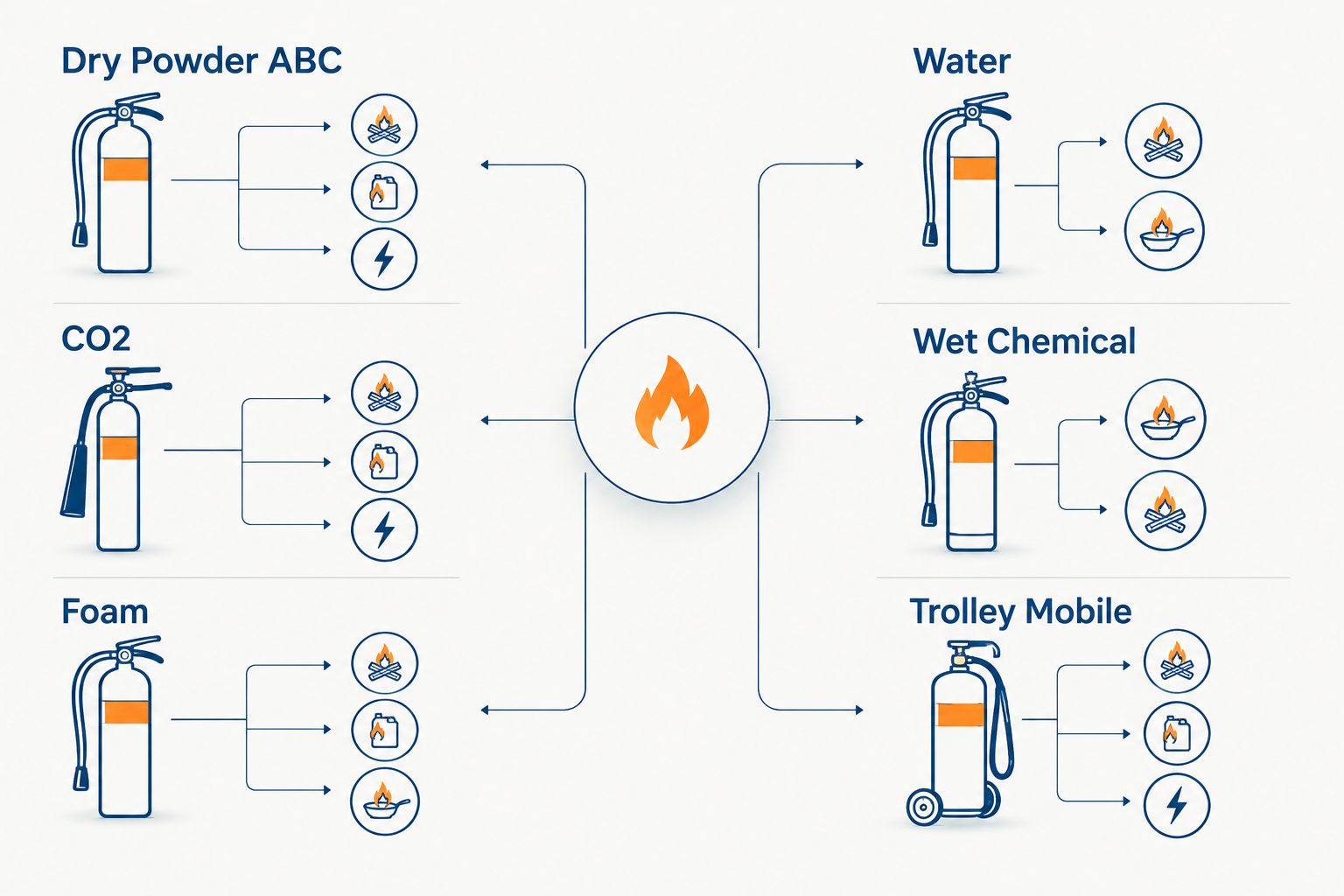
Here is how the common extinguisher types stack up by capacity, class rating, and use case. This is the specification table to work from before you ask for a price.
| Extinguisher Type | Common Capacity | Class Rating | Best For | Service Interval |
|---|---|---|---|---|
| Dry Powder ABC | 1kg-9kg | A, B, C | Homes, offices, general retail | Annual inspection |
| CO2 | 2kg-5kg | B, C (electrical) | Server rooms, switchboards, electrical panels | Annual inspection |
| Foam (AFFF) | 6kg-9kg | A, B | Flammable liquid stores, warehouses | Annual inspection |
| Water | 6L-9L | A only | Paper, wood, fabric, general offices | Annual inspection |
| Wet Chemical | 6L | K | Commercial kitchens, cooking oil fires | Annual inspection |
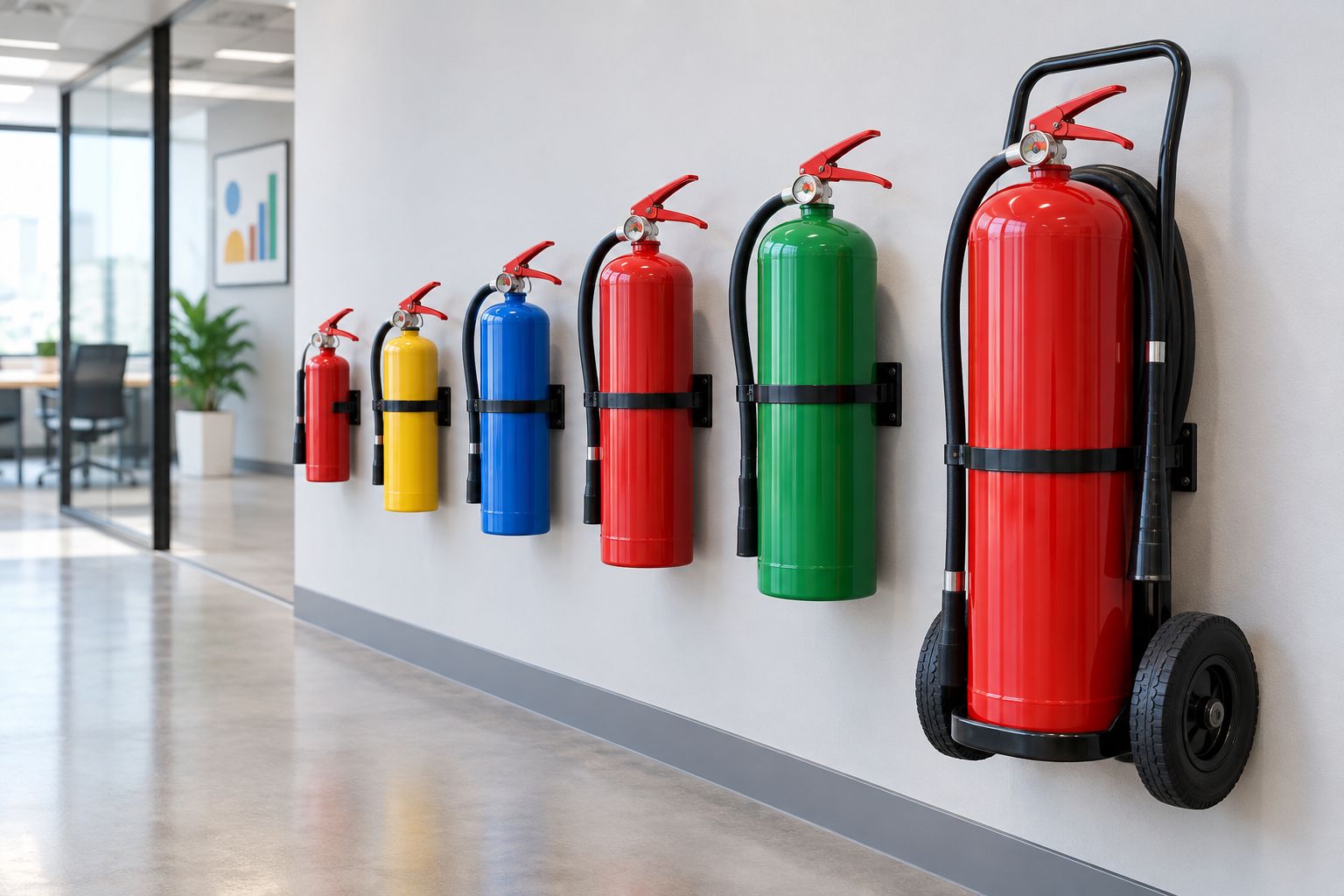
| Trolley/Mobile ABC | 25kg-50kg | A, B, C | Industrial sites, fuel depots, large warehouses | Annual inspection |
| All types (overall) | 1kg-50kg | A-K | All environments | 12 months minimum |
Dry powder ABC extinguishers cover the widest range of fire classes at the smallest capacity, which is why they're the default specification for Kenyan homes and offices in 2026. Wet chemical units sit at the other end — a single 6L capacity, restricted to Class K cooking oil fires, with no use outside a kitchen. CO2 units trail on class coverage (B and C only) but lead on the one job foam and water can't do safely: fighting fire near live electrical equipment.
What the table can't tell you
Capacity and class rating come from KEBS and NFPA 10 fire safety classifications, and the 12-month service interval reflects standard commercial fire-safety practice in Kenya. What this table doesn't show is the KSh figure — pricing moves with brand certification, refill history, and current supplier stock, so a fixed number here would be out of date within weeks. Check the catalog for today's figure on the exact unit you need.
How to use these benchmarks
- Match capacity to fire risk, not budget. A 1kg unit in a warehouse fails inspection regardless of price.
- Specify the class rating for the hazard in the room. A kitchen needs Class K wet chemical, not general-purpose dry powder.
- Budget for annual service, not just the purchase. The unit you buy in 2026 needs recharging or inspection to stay compliant into 2027.
- Buy KEBS-certified units only. Uncertified extinguishers can fail an inspection even if the capacity and type look correct on paper.
For buildings that already run a fire alarm control panel, extinguisher placement should follow the same zone map used for detection — extinguishers at every exit route the panel monitors, not scattered by convenience.
Pros and cons by extinguisher type
Dry Powder ABC
- Pros: covers three fire classes, low capacity for the coverage, widely stocked.
- Cons: leaves a residue that can damage electronics; not ideal for server rooms.
- Verdict: Buy for general office and home use.
CO2
- Pros: no residue, safe near live electrical equipment.
- Cons: no Class A rating, so it won't handle a paper or wood fire on its own.
- Verdict: Buy for server rooms and electrical panels; skip as a sole extinguisher for a mixed-risk office.
Foam (AFFF)
- Pros: strong on flammable liquids, doubles as Class A cover.
- Cons: conductive, so it's unsafe near live electrical equipment.
- Verdict: Buy for warehouses and fuel storage; skip for electrical risk areas.
Water
- Pros: simple, effective on Class A materials, low cost of ownership.
- Cons: Class A only — unsafe on liquid or electrical fires.
- Verdict: Hold as a secondary unit alongside a multi-class extinguisher.
Wet Chemical
- Pros: purpose-built for cooking oil fires, required in commercial kitchens.
- Cons: no use outside Class K.
- Verdict: Buy for any commercial kitchen; skip everywhere else.
Trolley/Mobile ABC
- Pros: largest capacity, covers three classes, suited to high-risk industrial sites.
- Cons: not practical for a small office or residential unit.
- Verdict: Buy for industrial and fuel-handling sites; skip for homes.
Maintenance and inspection
A fire extinguisher isn't a one-time purchase. Annual inspection is the baseline across all types listed above, and units that fail visual inspection — dented cylinders, broken tamper seals, low pressure gauge readings — need replacing or servicing before the next fire audit, not after. Keep the inspection tag current; auditors in Kenya check the date on the tag before they check anything else.
Buildings running smoke detectors alongside extinguishers should schedule both inspections together — it's one call-out instead of two, and it keeps the whole fire safety file in sync for 2026 compliance checks.
Get a fire extinguisher specification quote
Check current catalog pricing by type and capacity before you order.
The bottom line
There's no single fire extinguisher price in Kenya that applies across the board in 2026. The number you get depends entirely on type, capacity, and certification — specify the fire risk first, then request the quote. A 1kg dry powder unit for a small office and a 50kg trolley unit for a fuel depot are not the same purchase, and treating them as one line item is how buyers under-spec their fire safety.
FAQ
What determines fire extinguisher price in Kenya?
Extinguisher type, capacity, and KEBS certification are the main cost drivers. A small dry powder unit and a large trolley-mounted CO2 unit are priced very differently because they serve different fire risks.
What is the best fire extinguisher type for a Kenyan home?
Dry powder ABC is the standard choice for homes because it covers solids, liquids, and gas fires in one small unit. A secondary water extinguisher can supplement it for general Class A risk.
Is CO2 or dry powder better for an office?
Dry powder covers more fire classes and suits general office risk. CO2 is better specifically near electrical panels and server rooms because it leaves no residue and is safe on live equipment.
How often should a fire extinguisher be serviced in Kenya?
Annual inspection is the minimum interval for all extinguisher types. Units with visible damage, broken seals, or low pressure gauge readings need servicing or replacement immediately, regardless of the last inspection date.
What extinguisher does a commercial kitchen need?
Commercial kitchens need a wet chemical extinguisher rated Class K for cooking oil fires. Dry powder or water units are not rated for this hazard and shouldn’t be used as a substitute.
Are foam extinguishers safe near electrical equipment?
No. Foam extinguishers are conductive and unsafe near live electrical equipment. Use a CO2 extinguisher in server rooms, switchboards, or anywhere with exposed wiring.
Does KEBS certification affect which extinguisher I should buy?
Yes. Uncertified extinguishers can fail a fire safety inspection even if the type and capacity match your risk assessment. Confirm KEBS certification before ordering.
What capacity fire extinguisher do I need for a warehouse?
Warehouses handling flammable liquids or bulk storage typically need trolley or mobile units in the 25kg-50kg range, rated for Class A and B fires. Smaller handheld units alone won’t meet the coverage requirement for that scale of risk.
One last thing
The extinguisher class rating matters more than the KSh figure on the quote — a certified unit rated for the wrong fire class fails an inspection just as fast as an expired one, no matter what it cost in 2026.
Related guides
- Best fire alarm control panels for buildings in Kenya
- Best smoke detectors for fire safety in Kenya
- Electric fence prices in Kenya
- CCTV camera prices in Kenya