English
Electric Fence Prices in Kenya 2026: What Drives Cost
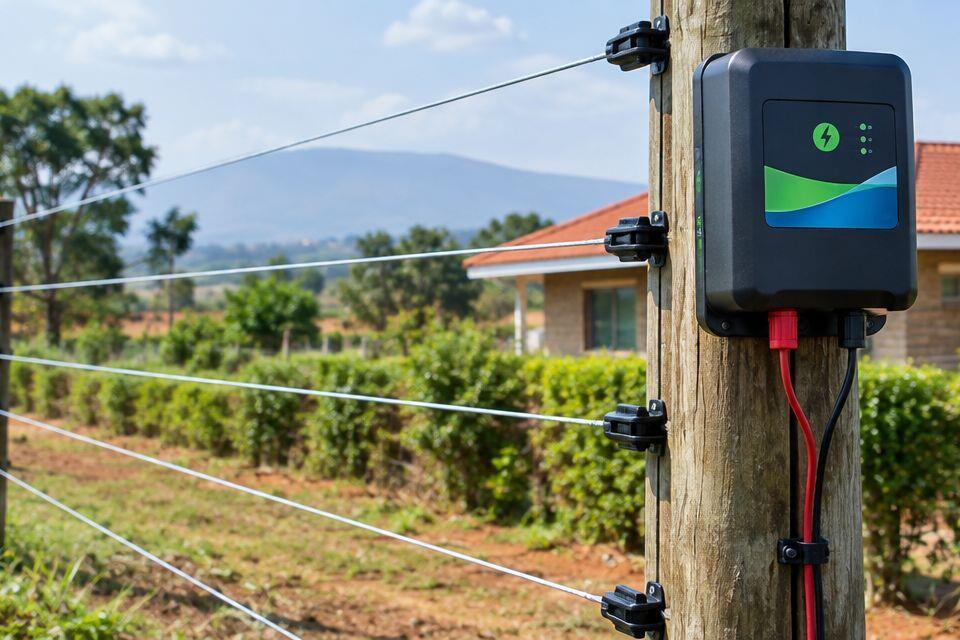
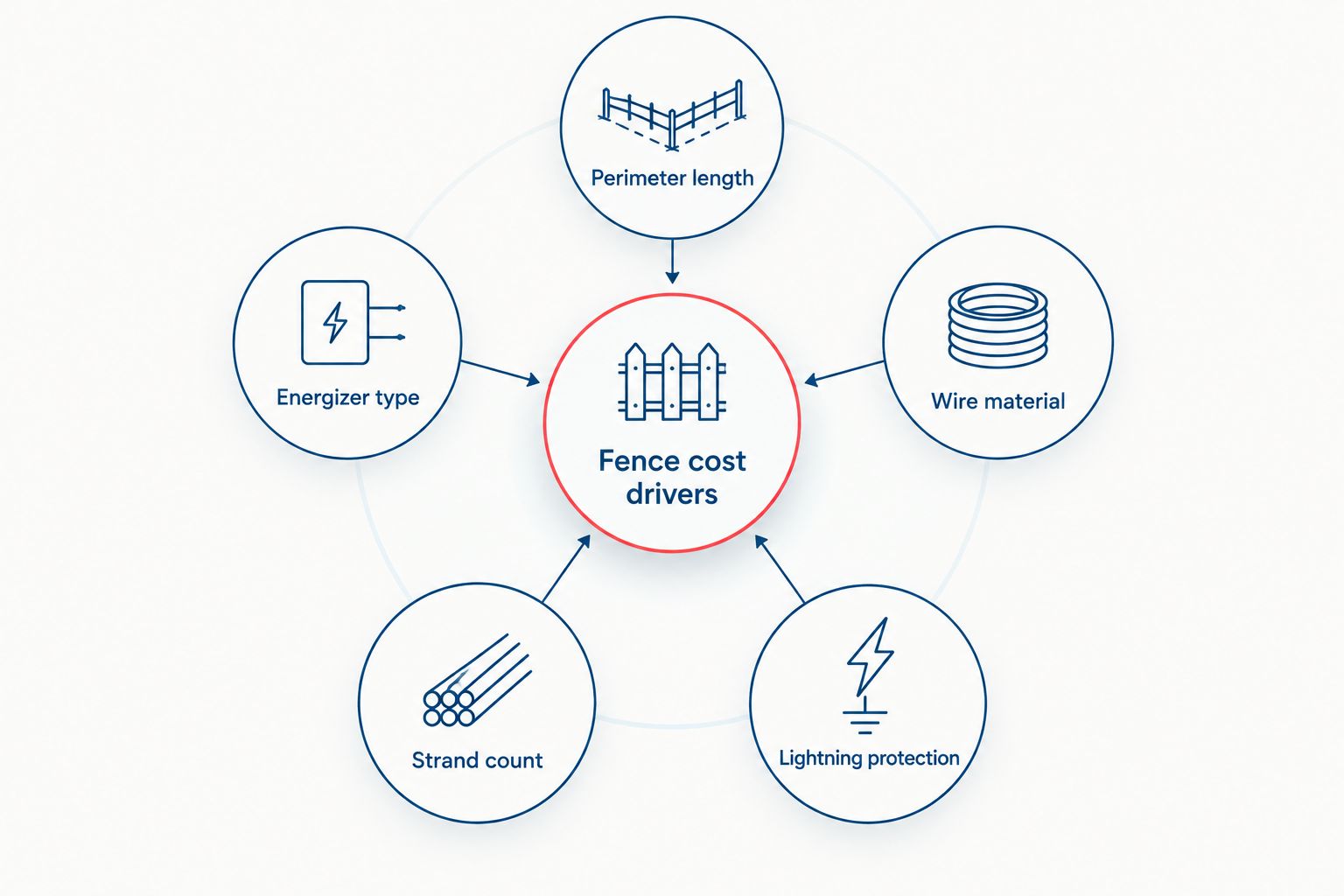
Electric fence prices in Kenya depend on perimeter length, energizer type, wire material and strand count, not a single flat rate — the way to get an accurate number is a site survey against a supplier's current price list, not a table of fixed figures published months earlier.
- Electric fence prices in Kenya are driven by perimeter length, energizer type (mains vs solar) and strand count — not a fixed rate card.
- Solar-powered energizers with GSM alert add-ons sit at the top of the cost range; basic single-zone mains-powered kits sit at the bottom.
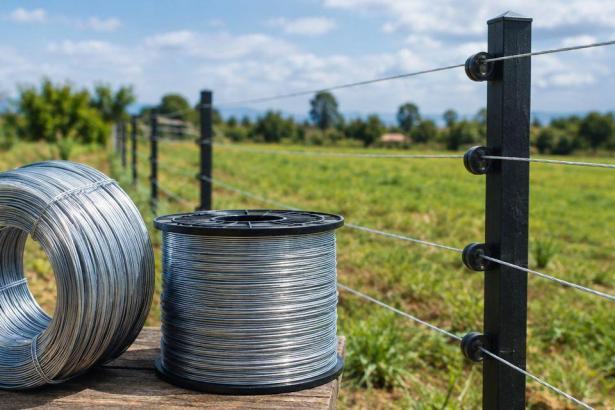
- Wire material (galvanized vs high-tensile stainless) and the number of strands change the total metres of wire needed, which moves the price more than the energizer itself.
- Get a site-specific quote in 2026 rather than relying on a published price table — perimeter shape and terrain change labour cost.
- Lightning protection and professional installation are separate line items that many quotes leave out — ask for them explicitly.
Why this matters
Buyers comparing electric fence prices in Kenya usually hit the same wall: every supplier quotes differently because every property is different. A 100-metre straight-line perimeter with two corners costs less to wire and terminate than a 100-metre perimeter with eight corners, a gate crossing and uneven ground. Use our electric fence materials cost calculator to estimate a materials list from your perimeter; request a separate installation quote.
That's why a single number for "electric fence price in Kenya" is close to meaningless without knowing the fence length, the energizer type, and whether the site has grid power or needs a solar setup. The table below breaks the cost into the factors that actually move the number, so you can price your own site instead of matching a generic figure.
What drives electric fence prices in Kenya
Each factor below adds or removes cost independently — stack the ones that apply to your site and you get a realistic price band before you request quotes.
| Cost driver | What it affects | Relative cost tier |
|---|---|---|
| Perimeter length | Total wire, posts and insulators needed | Scales linearly — longer perimeter, higher total cost |
| Energizer type: mains-powered | Runs off grid electricity, no battery | Budget |
| Energizer type: solar-powered | Needs a solar panel and battery bank | Mid-range to Premium |
| Wire material: galvanized steel | Standard strand wire, needs periodic tension checks | Budget |
| Wire material: high-tensile or stainless | Longer service life, better corrosion resistance | Mid-range |
| Strand count (number of wire lines) | More strands means more wire and more insulators per post | Scales with count — 3 strands cheaper than 8 |
| Lightning protection (arrestor/earthing kit) | Protects the energizer from surge damage | Adds a fixed line item regardless of fence length |
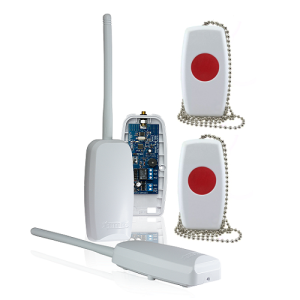
| Monitoring add-on (GSM alert module) | Sends a phone alert when the fence is breached | Premium |
| Professional installation vs DIY supply-only | Labour, termination, and testing | Installation adds 20-40% of hardware cost in typical residential jobs |
Solar-powered energizers with a GSM alert module sit at the top of this cost range; a basic mains-powered single-zone kit on a short, low-corner perimeter sits at the bottom. The gap between those two setups on the same property can be several multiples, not a small percentage — which is why matching the driver list above to your own site matters more than chasing one published number.
Methodology and limitation
The cost tiers above reflect how electric fence components are priced across the Kenyan security equipment market in 2026: energizer type, wire spec, strand count, and installation labour are the standard line items on any supplier quote. This page does not display fixed KSh figures because exact costs move with perimeter shape, site terrain, and current supplier stock — a table of hard numbers from an earlier month goes stale the moment currency, import costs, or supplier pricing shifts. Treat the tiers as a way to structure your comparison, then request written quotes for the exact figure.
How to use these benchmarks
- Measure your perimeter first. Walk the boundary, count corners and gates, and note whether the ground is level or sloped before asking for a quote — this is the single biggest input into the final number.
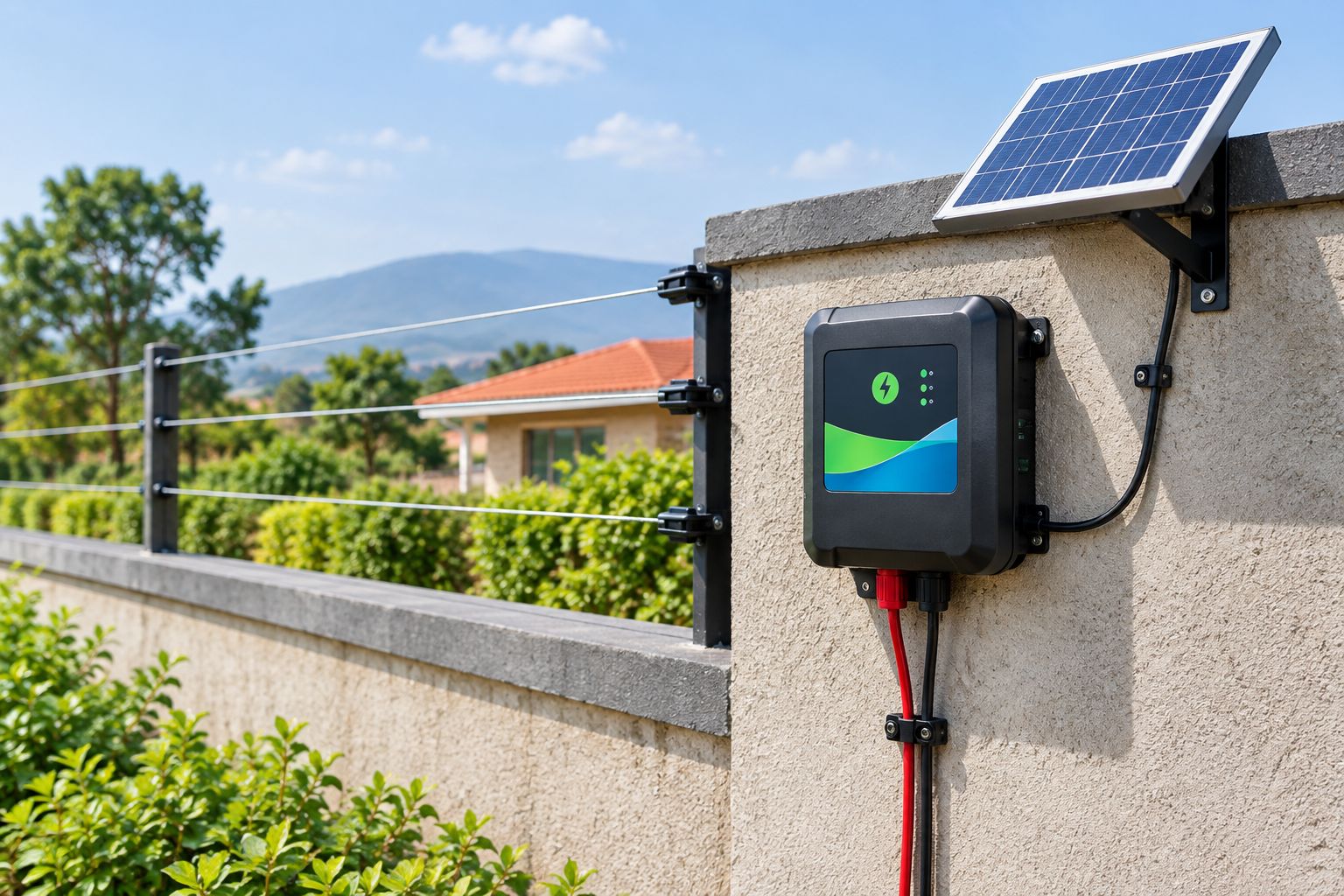
- Decide mains vs solar early. If the perimeter has no nearby power point, a solar-powered electric fence energizer removes the need to trench cable to the fence line, which changes the labour line item.
- Ask what's included. A quote that excludes lightning protection or installation labour looks cheaper on paper but costs more once those items get added later.
- Compare written quotes, not verbal estimates. Two suppliers quoting the same perimeter length should itemize energizer, wire, posts, insulators, and labour separately so you can see where the numbers differ.
Setup and buying steps
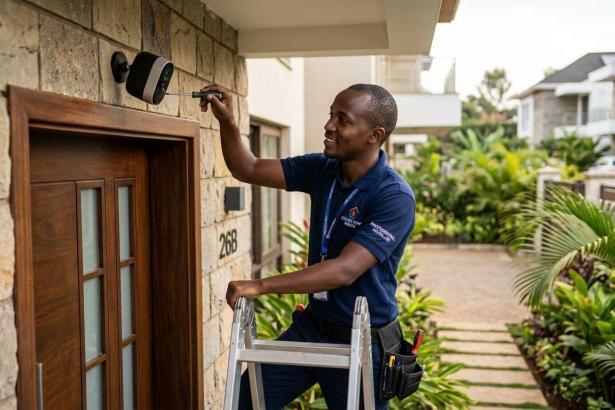
- Survey the site. Confirm total perimeter length, corner count, gate crossings, and terrain.
- Pick the strand count. Residential perimeters typically run fewer strands than commercial or industrial boundaries that need a denser wire spacing.
- Choose the energizer. Match energizer output to fence length and strand count — an undersized energizer won't deliver a reliable pulse across a long perimeter.
- Add lightning protection. An earthing and arrestor kit protects the energizer from surge damage during Kenya's rainy-season storms — this is a recurring failure point on unprotected installs.
- Confirm installation scope. Decide whether you're buying supply-only or supply-and-install, and get that scope written into the quote.
Limitations
Electric fencing is a deterrent, not a physical barrier on its own — it works best paired with a solid wall or existing fence line. A fault anywhere along the wire (a fallen branch, a loose termination) can drop the whole zone, which is why a fault finder is worth budgeting for on longer perimeters where a single break is hard to spot by eye. Solar setups also depend on battery condition — a failing battery quietly weakens the pulse long before the fence stops working outright.
Maintenance
- Check wire tension every few months — sag reduces pulse strength across the whole loop.
- Clear vegetation touching the wire; grass and branches earth the fence and drain the energizer.
- Test the earthing system annually, especially before the rainy season.
- Inspect solar panel connections and battery terminals for corrosion on solar-powered setups.
Get a site-specific fence quote
Send your perimeter details for an accurate 2026 price breakdown.
Recommendation
For most residential perimeters under a few hundred metres with grid power nearby, a mains-powered energizer on a galvanized wire run is the lower-cost setup. For perimeters without a nearby power point, or for properties that want a phone alert on breach, a solar-powered energizer with a GSM module costs more upfront but removes the trenching cost and adds remote monitoring. Either way, work through how to choose an electric fence installer in Kenya before signing a quote — installation quality affects fence reliability as much as the hardware spec does.
FAQ
What determines electric fence prices in Kenya?
Perimeter length, energizer type (mains vs solar), wire material, strand count, and whether installation labour is included all determine the final price. Get a site survey before comparing quotes, since these factors change more between properties than between suppliers.
Is a solar-powered electric fence more expensive than a mains-powered one?
Yes, a solar-powered energizer typically costs more upfront than a mains-powered unit because it includes a solar panel and battery bank. It removes the need to run power cable to the fence line, which can offset the difference on remote perimeters.
Do I need lightning protection on an electric fence in Kenya?
Yes. An earthing and arrestor kit protects the energizer from surge damage during storms, which is a common cause of energizer failure on unprotected installs. It’s a separate line item many basic quotes leave out.
How many strands does a residential electric fence need?
Residential perimeters generally use fewer strands than commercial or industrial boundaries, which need tighter wire spacing for stronger deterrence. Strand count should match the perimeter’s risk level and wall height.
Does professional installation cost more than DIY supply-only?
Yes, installation labour adds to the hardware cost, typically in the range of a fifth to two-fifths of the hardware price for residential jobs. Supply-only is cheaper but shifts termination and testing risk onto the buyer.
What wire material lasts longest on an electric fence?
High-tensile or stainless wire resists corrosion better than standard galvanized wire and holds tension longer over time. It costs more per metre but needs less frequent replacement.
Can an electric fence work without a physical wall or fence?
Electric fencing works best paired with an existing wall or fence line rather than as a standalone barrier. On its own it acts as a deterrent, not a physical block to entry.
How often should an electric fence be serviced?
Check wire tension and clear vegetation every few months, and test the earthing system annually, ideally before the rainy season. Solar setups also need periodic battery and panel connection checks.
One last thing
The most overlooked line item on an electric fence quote in 2026 isn't the wire or the energizer — it's the earthing and lightning protection kit. A fence that works perfectly for months can lose its energizer to a single storm surge if that kit was left off the original quote to make the number look lower.
Related guides
- Chain link fence prices in Kenya
- Best electric fence fault finders compared in Kenya
- Best lightning arrestors for electric fences in Kenya
- How to choose an electric fence installer in Kenya
- Best solar-powered electric fence energizers in Kenya