 English
 Electric Fence Installers in Kenya: How to Choose in 2026
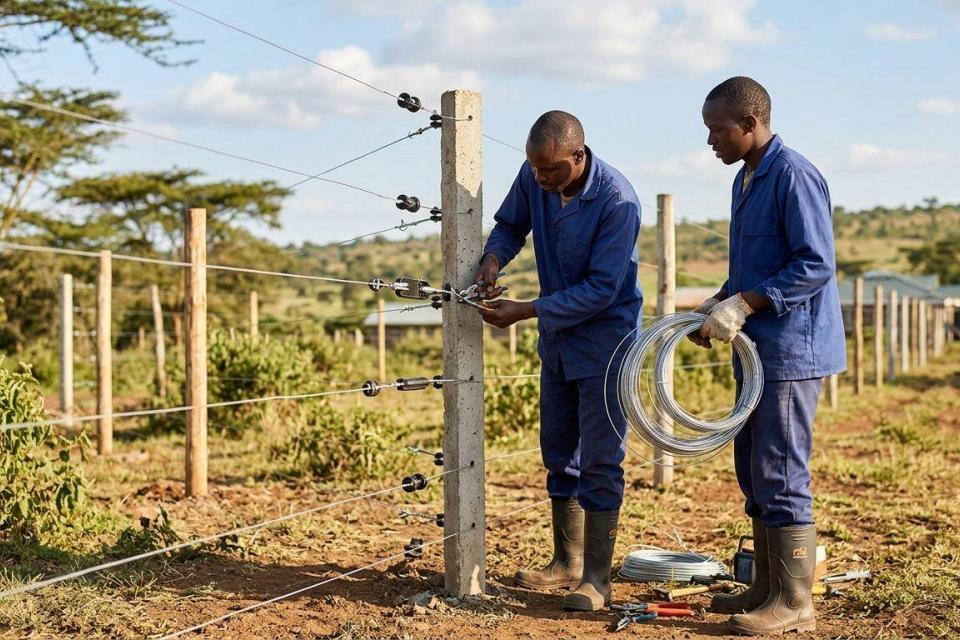
Property owners in Kenya hiring an electric fence installer need a technician licensed by the Energy and Petroleum Regulatory Authority (EPRA), a certified energizer matched to the perimeter length, and a written compliance certificate before the wire goes live. Businesses add insurance sign-off and integration with existing CCTV or access control to that shortlist.
- EPRA licensing is mandatory for electric fence installers in Kenya in 2026 — confirm the certificate before signing any contract.
- Energizer joule rating must match perimeter length, not just brand name; undersized units are the most common installer shortfall.
- A written compliance certificate and grounding plan separate a licensed installer from an unlicensed wireman.
- Solar backup matters for off-grid perimeters; charge controller sizing should be confirmed before installation, not after.
- Get at least two quotes comparing wire gauge, post spacing, and warranty terms, not just the total price.
Why this matters
An unlicensed electric fence installer in Kenya can wire a perimeter that looks finished but fails the first fault-finding check, or worse, creates a liability if someone is injured on an ungrounded system. Homeowners lose money twice: once on the installation, again on the rework once a licensed technician has to re-terminate the lines.
Businesses carry a bigger exposure. Insurers increasingly ask for proof that a perimeter fence meets EPRA standards before they pay out on a burglary claim, and multi-hectare compound perimeters need electric fence energizers rated for the actual wire length, not a generic residential unit stretched across a commercial site.
Both segments share one constraint: Kenya's power supply is not fully reliable, so the installer's answer on backup power decides whether the fence stays live during an outage.
Steps to vet an electric fence installer in Kenya
Confirm the EPRA license and public liability cover
Ask for the installer's current EPRA electric fence license number before any site visit. A licensed installer will produce it without hesitation; an unlicensed one will deflect or offer a "friend who does wiring."
- Request the license number and verify the installer's registered business name matches
- Ask whether the installer carries public liability insurance for the installation
- Confirm the technician doing the physical wiring, not just the salesperson, is the licensed party
- Check if the installer offers a written compliance certificate on handover
Match the energizer to your perimeter, not your budget
Energizer output has to scale with wire length and the number of lines on the fence. A 10-line perimeter around a half-acre plot needs a different joule rating than a single-strand boundary around a small compound.
- Ask the installer to calculate joule output against your actual perimeter length in meters
- Compare at least two energizer brands rather than accepting the first quoted unit
- Ask whether the energizer is mains-powered, solar, or dual-source
- Check the warranty period on the energizer itself, separate from the installation warranty
Ask for a grounding and lightning protection plan
Grounding is the single most skipped step by unlicensed installers because it adds cost without a visible result. A poorly grounded fence delivers weak shocks, trips fault alarms constantly, and puts the energizer at risk during storms.
- Ask how many grounding rods the installer plans to use and where
- Confirm the installer includes lightning arrestors in the quote, not as a later add-on
- Ask what happens to the energizer during a lightning strike without protection installed
- Get the grounding plan in writing, not verbally
Compare quotes on wire gauge, post spacing, and materials
Two quotes for the "same" fence can differ by wire gauge, post material, and spacing, and those differences show up as reliability problems within the first year, not on installation day.
- Ask for the wire gauge specified in each quote
- Confirm post spacing and post material (concrete, treated timber, or steel)
- Check whether the quote includes strainer posts at corners and gates
- Ask what happens if the fence line crosses uneven or rocky ground
Set a fault-finding and maintenance plan before installation
A fence that isn't maintained degrades quietly. Vegetation growth, loose connections, and rodent damage all reduce voltage without an obvious sign until an intruder tests the line and finds it dead.
- Ask if the installer includes a post-installation fault check within the first 30 days
- Confirm whether ongoing maintenance is billed separately or included
- Ask what tools the installer uses for diagnosing faults on your system
- Request a demonstration of how to use a fault finder if you plan to do basic checks yourself
Confirm solar backup for off-grid or low-reliability sites
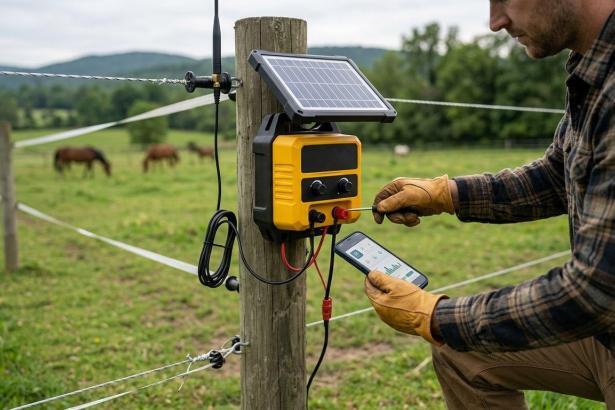
If the compound sits outside reliable grid coverage, or if outages are frequent in the area, ask the installer to size a solar energizer and charge controller for the site rather than defaulting to mains power alone.
- Ask for the expected runtime on battery backup during an outage
- Confirm the charge controller is sized to the panel and battery, not oversold
- Ask whether the installer stocks replacement batteries locally
- Check if the solar setup adds to the perimeter's total joule draw correctly
Compare energizers before you commit
Check joule ratings and solar options against your perimeter length.
Get the total cost and compliance certificate in writing
A verbal price is not a quote. Ask for a written breakdown covering materials, labor, energizer, grounding, and the compliance certificate, then weigh that against your overall home security system cost if the fence is one part of a larger setup.
- Ask for a written, itemized quote, not a lump sum
- Confirm the compliance certificate is issued on the day of handover
- Ask what the warranty covers and for how long
- Confirm who is liable for repairs if the fence fails within the warranty period
Comparing installer options for Kenyan property owners
| Option | Best for | Key limitation |
|---|---|---|
| Licensed specialist electric fence installer | Homeowners and businesses needing EPRA compliance and a warranty | Costs more upfront than an unlicensed wireman |
| General electrician doing fence wiring as a side job | Nobody needing a compliant, insurable installation | Usually unlicensed for electric fencing specifically, no compliance certificate |
| Full-service security company bundling fence, CCTV, and alarms | Businesses wanting one contractor for the whole perimeter | Longer lead time for a combined installation |
| DIY kit installation | Small residential plots with a technically confident owner | No compliance certificate, voids most energizer warranties if wired incorrectly |
The licensed specialist route wins on compliance and warranty coverage for both homeowners and businesses. The full-service bundle is the better call when CCTV, gates, or alarms are going in at the same time as the fence.
Common mistakes property owners make
- Hiring on price alone. The cheapest quote in Kenya usually strips out grounding rods and lightning arrestors, and the savings disappear the first time a storm takes out the energizer.
- Accepting a verbal license claim. Ask to see the EPRA license, not just hear about it.
- Skipping the joule calculation. A single energizer size does not fit every perimeter; installers who quote without measuring the fence line are guessing.
- Ignoring solar sizing on off-grid sites. A mains-only energizer on a plot with frequent outages leaves the perimeter dead for hours at a time.
- Not planning for maintenance. Vegetation and connection faults build up silently; a fence with no fault-finding schedule degrades within months, not years.
FAQ
Do electric fence installers in Kenya need a license?
Yes, electric fence installers in Kenya must hold an EPRA license to legally install and certify perimeter electric fencing in 2026. Ask for the license number before any work begins.
How do I know if an electric fence installer is qualified?
A qualified installer produces an EPRA license number, gives a written quote with wire gauge and joule ratings specified, and issues a compliance certificate on handover. Anyone who skips these steps is not operating as a licensed installer.
What size energizer do I need for my perimeter?
Energizer output should be calculated against your actual perimeter length in meters and the number of wire lines, not chosen by brand alone. An installer should measure the site before recommending a unit.
Is solar power reliable for an electric fence in Kenya?
Solar-powered energizers work well when the panel, battery, and charge controller are sized correctly for the site’s sunlight hours and outage frequency. Undersized solar setups leave the fence without power during extended cloud cover or outages.
How often should an electric fence be checked for faults?
A fault check within the first 30 days after installation catches early connection issues, with ongoing checks recommended as vegetation and weather affect the line. A fault finder helps diagnose voltage drops without calling out a technician for every check.
What happens if my electric fence installer is unlicensed?
An unlicensed installer cannot issue an EPRA compliance certificate, which can affect insurance claims and creates liability exposure if the fence causes injury. It also usually means no proper grounding or lightning protection was installed.
Can I install an electric fence myself in Kenya?
DIY kits exist for small residential plots, but self-installation voids most energizer warranties if wired incorrectly and produces no compliance certificate. Licensed installation is the safer route for anything beyond a small enclosure.
Why do electric fence quotes vary so much between installers in Kenya?
Quotes differ based on wire gauge, post material and spacing, grounding rods, lightning arrestors, and whether solar backup is included. The lowest quote often excludes grounding and lightning protection entirely.
One last thing
The detail most property owners skip when hiring an electric fence installer in Kenya is asking for the grounding rod count in writing. It costs the installer almost nothing to add, but it is the single factor that determines whether the fence delivers a full shock or a weak, ignorable pulse — and it is invisible once the posts are in the ground.
Related guides