English
Electric Fence Wire Price by Gauge: 2.5 mm Steel Wins
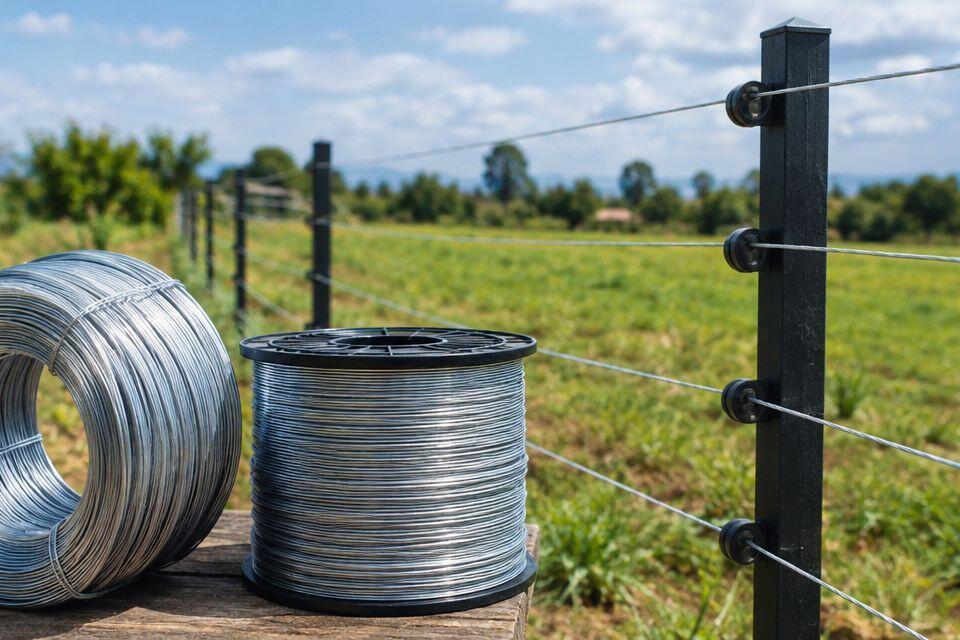
This page ranks electric fence wire price by gauge for Kenyan perimeter fences, using weight per metre as the yardstick, so you can compare any quote in 2026.
- Electric fence wire price by gauge follows weight: thicker wire carries more metal per metre.
- 2.5 mm high-tensile steel uses about 2.4 times the steel of 1.6 mm wire per metre.
- 2.5 mm galvanised high-tensile steel is the default choice for permanent security perimeters.
- Aluminium gives far more metres per kilo but cuts and stretches more easily than steel.
- Divide the price per kilo by metres per kilo to get a true cost per metre.
The short answer: the heavier the gauge, the higher the price per metre, because wire is priced on the metal it contains. A 2.5 mm galvanised high-tensile strand weighs about 38.5 g per metre, which gives roughly 26 metres per kilo. A 1.6 mm steel strand weighs about 15.8 g per metre, or roughly 63 metres per kilo. Live KSh prices move with steel costs, so check the current listing before you buy. For the full fence budget, see the electric fence prices in Kenya 2026 breakdown.
Why this matters
Suppliers in Kenya quote wire in different units. One sells by the coil, another by the kilo, a third by the metre. Without a common unit, a cheap-looking coil can cost more per metre than a dearer one.
Gauge also decides how long the fence lasts. Thin wire sags, snaps under tension and corrodes through faster. Thick wire costs more upfront but holds tension on long runs.
Compare every quote in metres per shilling, not coils per shilling. The table below gives you the conversion.
Electric fence wire weight and length by gauge
Wire price per metre is set by two things: how much metal is in each metre, and what that metal costs per kilo. The first part is fixed by gauge. The table below shows it for the sizes sold for security fencing in 2026.
| Wire type and gauge | Nominal diameter | Weight per metre | Metres per kilo | Metal per metre vs 1.6 mm |
|---|---|---|---|---|
| Aluminium, 1.6 mm | 1.6 mm | 5.4 g | 184 m | 0.34x (by weight vs steel) |
| Aluminium, 2.0 mm | 2.0 mm | 8.5 g | 118 m | 0.54x (by weight vs steel) |
| Galvanised steel, 1.6 mm (close to 16 SWG) | 1.6 mm | 15.8 g | 63 m | 1.0x |
| Galvanised steel, 2.0 mm (close to 14 SWG) | 2.0 mm | 24.7 g | 41 m | 1.56x |
| High-tensile steel, 2.5 mm (12.5 gauge) | 2.5 mm | 38.5 g | 26 m | 2.44x |
| Galvanised steel, 12 SWG | 2.64 mm | 43.0 g | 23 m | 2.72x |
| Galvanised steel, 10 SWG | 3.25 mm | 65.2 g | 15 m | 4.13x |
| All steel sizes above (range) | 1.6-3.25 mm | 15.8-65.2 g | 15-63 m | 1.0x-4.13x |
High and low
10 SWG steel is the heaviest at 65.2 g per metre; 1.6 mm aluminium is the lightest at 5.4 g per metre. Among steel sizes, 1.6 mm gives the most length per kilo at 63 metres, and 10 SWG gives the least at 15 metres.
The standard security size, 2.5 mm high-tensile steel, sits in the middle. It carries 2.44 times the steel of 1.6 mm wire per metre. Expect its price per metre to sit well above thin wire when both come from the same supplier.
Methodology and limitation
The figures are calculated from nominal diameters using standard densities: 7.85 g per cubic centimetre for steel and 2.70 g per cubic centimetre for aluminium. SWG diameters follow the published Standard Wire Gauge table.
Limitation: the calculation excludes the zinc coating and manufacturing tolerance, so real coil weights run slightly higher. It also cannot tell you the live KSh price, which changes with steel and aluminium costs through 2026.
Steel vs aluminium: which gauge fits your fence
The metal matters as much as the gauge. Here is how the two main options compare for a Kenyan security perimeter.
| Factor | Galvanised high-tensile steel | Aluminium |
|---|---|---|
| Best for | Permanent security perimeters, long straight runs | Short runs, top strands, sites near the coast |
| Strength | Holds high tension without stretching | Stretches and cuts more easily |
| Conductivity | Lower | Higher, carries the pulse further per strand |
| Corrosion | Depends on galvanising quality | Does not rust |
| Length per kilo | 26 m at 2.5 mm | 118 m at 2.0 mm |
| Weakness | Rusts where coating is damaged | Easier for intruders to cut |
Pros of 2.5 mm high-tensile steel: holds tension over long spans, resists cutting, widely stocked. Cons: heavier to handle, and damaged galvanising leads to rust.
Pros of aluminium: light, conducts well, no rust. Cons: lower tensile strength, and it sags on long spans unless tensioned often.
Verdict: 2.5 mm galvanised high-tensile steel is the best wire for most homes and businesses building a permanent electric security fence in 2026. Choose aluminium only where weight or salt air is the main problem. For a model-by-model view, read the guide to the best electric fence wire for perimeter security in Kenya.
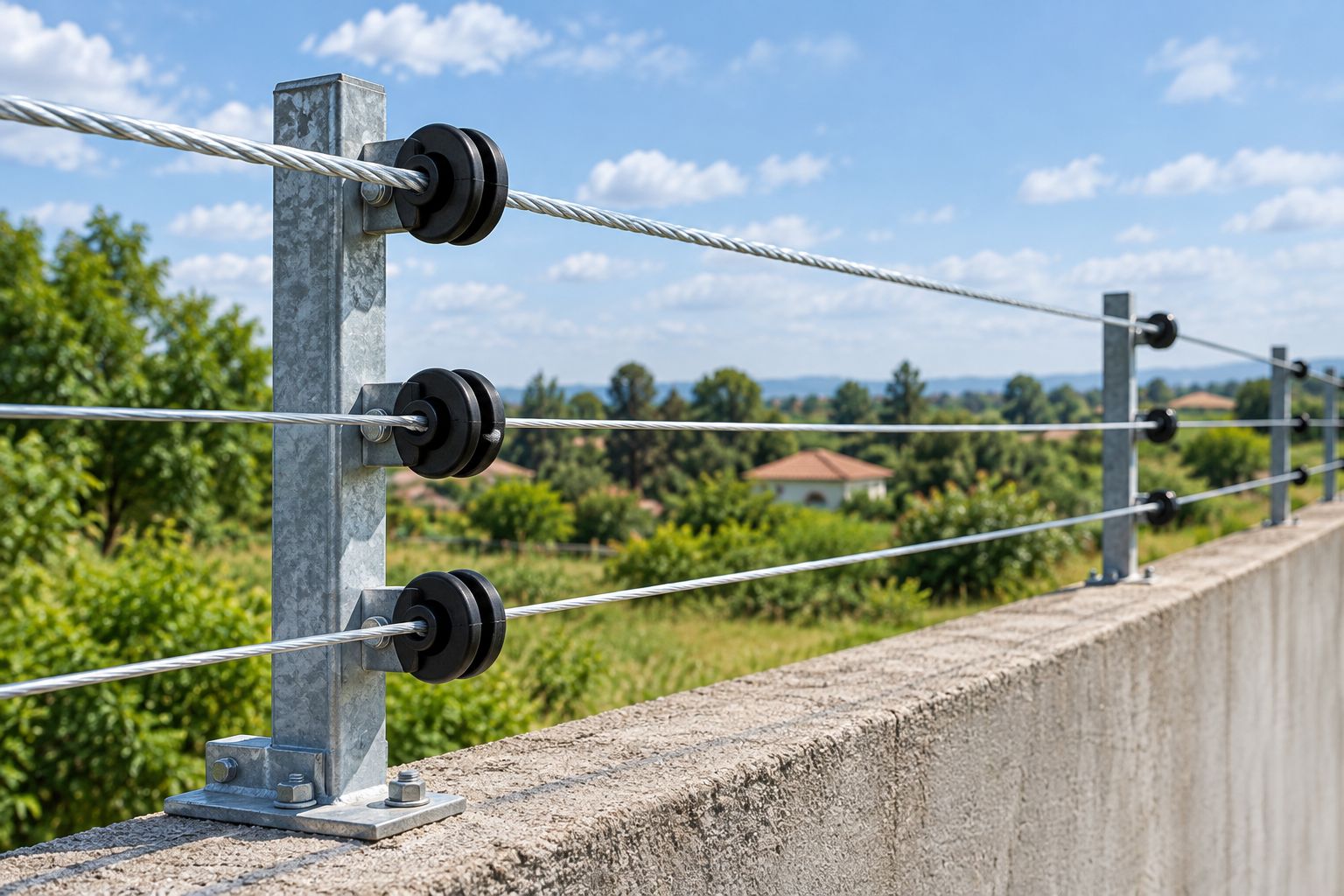
How to use these benchmarks
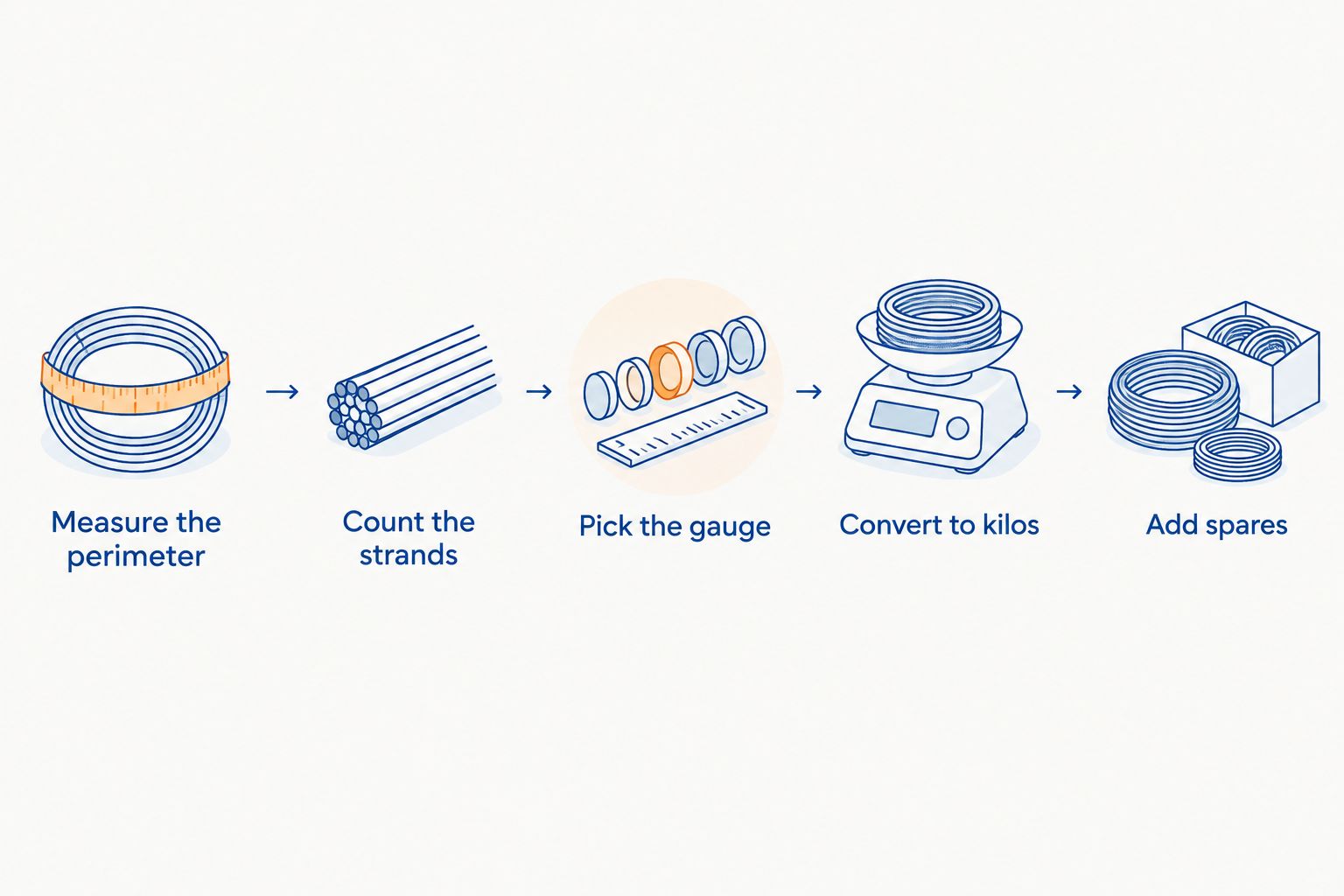
Use the table to turn any quote into a cost per metre. The steps below work for coils sold by weight or by length.
- Measure the perimeter. Walk the boundary and record the length in metres, including gates.
- Count the strands. Multiply the perimeter by the number of live and earth strands on your design.
- Pick the gauge. Use 2.5 mm high-tensile steel for a permanent perimeter unless you have a clear reason not to.
- Convert to kilos. Divide total metres by metres per kilo from the table. At 26 m per kilo, 1,000 metres of 2.5 mm steel needs about 38.5 kg.
- Add spares. Allow extra for joins, tie-offs and corners.
Then compare quotes on the same unit. Cost per metre equals price per kilo divided by metres per kilo. A coil quoted by length converts the other way: divide the coil price by its length.
Two checks stop overpaying. First, confirm the diameter on the label matches the quote, since a 2.0 mm coil sold as 2.5 mm gives you 1.56x the steel, not 2.44x. Second, ask whether the wire is high-tensile, because plain galvanised wire of the same gauge stretches more.
Wire is only part of the budget. Energizer, insulators, posts and labour add to the total, covered in the guide on the cost to install electric fencing per metre.
Limitations of choosing by price alone
The cheapest gauge per metre is rarely the cheapest fence over five years.
- Thin steel sags. 1.6 mm steel carries 41% of the steel of 2.5 mm wire and holds less tension on long spans.
- Poor galvanising rusts. Two coils of the same gauge can differ in coating quality, and weight tables do not show it.
- Aluminium is easier to cut. It suits sites where corrosion is the main risk, not sites where intrusion is.
- Gauge does not fix a weak energizer. A thick wire on an undersized energizer still delivers a weak pulse.
Maintenance by gauge
Heavier wire needs less attention, but every fence needs checks.
- Re-tension steel strands after the first weeks of settling and after heavy rain.
- Re-tension aluminium more often, since it stretches under load and heat.
- Inspect joins and tie-offs. Loose joins cause voltage drops more often than the wire itself.
- Replace rusted sections of steel wire before they snap, and cut back vegetation touching live strands.
Recommendation
Buy 2.5 mm galvanised high-tensile steel for any permanent security perimeter in 2026. It balances strength, length per kilo and availability. Use aluminium for top strands or coastal sites where rust is the bigger threat. Skip 1.6 mm steel for security fences, since it saves metal but not trouble.
Patsec stocks electric fencing wire, energizers and accessories for homes and businesses in Nairobi. Confirm the gauge and current price on the product page before ordering.
Price your electric fence wire
Browse electric fencing wire, energizers and accessories at Patsec.
FAQ
What gauge of wire is best for an electric security fence in Kenya?
2.5 mm galvanised high-tensile steel is the best gauge for most permanent security fences. It holds tension on long spans and resists cutting better than thinner or aluminium wire.
Why does thicker electric fence wire cost more?
Thicker wire contains more metal per metre. A 2.5 mm strand holds about 2.44 times the steel of a 1.6 mm strand, so its price per metre is higher.
How many metres are in a kilo of 2.5 mm electric fence wire?
A kilo of 2.5 mm steel wire gives roughly 26 metres. The zinc coating adds a little weight, so real coils run slightly shorter.
Is aluminium electric fence wire better than steel?
Aluminium is better for conductivity and rust resistance, while steel is better for strength. For security perimeters, steel is the stronger choice; aluminium suits coastal sites and top strands.
How much does electric fence wire cost per metre in 2026?
Cost per metre depends on the live price per kilo and the gauge. Divide the price per kilo by the metres per kilo in the table to get a like-for-like figure.
Is 1.6 mm wire good enough for a home electric fence?
1.6 mm steel is not the recommended choice for a security fence. It sags more on long spans and snaps more easily than 2.5 mm high-tensile wire.
How much wire do I need for my fence?
Multiply the perimeter length by the number of strands, then add spare for joins and corners. Divide that total by metres per kilo to know how many kilos to buy.
One last thing
Check the diameter yourself. A 2.0 mm coil weighs 24.7 g per metre and a 2.5 mm coil weighs 38.5 g per metre, so a coil that feels light for its label probably is. Weigh a known length of wire before you sign off on a bulk order in 2026, and send back anything that falls well short of the table.
Related guides
- Electric fence energizer prices by joule rating
- Razor wire prices in Kenya
- Best lightning arrestors for electric fences