English
Gate Motor Prices by Weight Capacity: Kenya Guide 2026
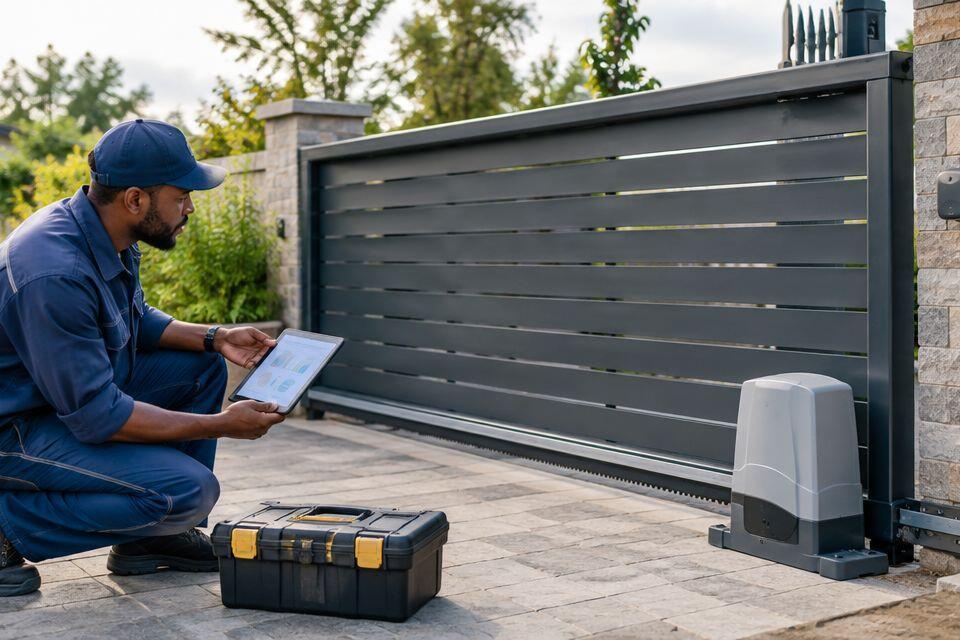
Gate motor prices by weight capacity follow one rule in Kenya: the heavier the gate a motor is rated to move, the more that motor costs. This page ranks the capacity bands from lightest to heaviest, shows what each band suits, and explains how to match your gate to the right motor in 2026.
- Gate motor prices by weight capacity rise band by band: light-duty is cheapest, industrial is dearest.
- Weigh or calculate your gate first. The rated gate mass decides the price band, not the brand.
- Most steel sliding gates on Kenyan homes fall in the light or medium band.
- Buy with headroom above your gate’s real weight. An undersized motor fails early.
- Patsec supplies sliding and swing gate motors across these bands for homes and businesses.
Why this matters
A gate motor is sized by one number on its spec sheet: the maximum gate mass it can move. That rating drives motor size, gearbox, rack type and power draw, and those drive the price.
Buyers who shop by price alone end up with a motor rated below their gate. The motor strains, the gearbox wears, and the replacement costs more than the right motor would have at the start. For current KSh figures on installed systems, see our breakdown of automatic gate motor cost in Nairobi. This page covers the step before that: which weight band you are actually buying in.
Gate motor prices by weight capacity: the benchmark table
The table groups sliding gate motors into four capacity bands. Cost tier is relative within the 2026 market: each band up costs more than the one below it.
| Capacity band (rated gate mass) | Typical gate | Common drive | Rack | Relative cost tier | Best for |
|---|---|---|---|---|---|
| All bands (overall) | Any sliding gate | DC or AC | Nylon or steel | Entry to industrial | Yardstick: price follows rated mass |
| Light duty, up to 300 kg | Aluminium or light steel tube gate, single residential driveway | Low-voltage DC with battery backup | Nylon | Entry (lowest) | Homes with a light gate |
| Medium duty, 300–600 kg | Steel sliding gate on a standard compound | Low-voltage DC with battery backup | Nylon or steel | Mid | Most Nairobi homes and small compounds |
| Heavy duty, 600–1,000 kg | Solid steel sheet or long compound gate | DC or AC | Steel | Upper | Estates, apartment blocks, commercial yards |
| Industrial, above 1,000 kg | Very long or clad steel gates, high traffic | AC or heavy DC | Steel | Industrial (highest) | Warehouses, factories, depots |
Light duty is the entry point; industrial sits at the top. The biggest price step comes between medium and heavy duty, where the drive, gearbox and rack all move up a grade at once. Medium duty is the band most residential buyers land in, because a typical steel sliding gate on a Kenyan home outweighs light-duty ratings once cladding is added.
Methodology: the bands follow the rated gate mass classes manufacturers publish on sliding gate motor spec sheets, grouped into four tiers for comparison in 2026. Limitation: this table shows relative cost, not KSh figures. Prices change, so current numbers sit on product listings and quotes, not on a benchmark page that goes stale.
How to weigh your gate before you buy
You cannot pick a band without the gate's mass. Guessing is the most common sizing mistake.
Two ways to get the number:
- Calculate it. Measure every steel section: frame, uprights, sheet cladding. Multiply each section's volume by the density of steel, 7,850 kg/m³, or use the weight-per-metre figure from your steel supplier's table. Add them up.
- Ask the fabricator. The welder who built the gate knows what steel went into it. Get the figure in writing.
Then add headroom. A motor rated right at your gate's weight works at its limit every cycle. Pick the next band up when your gate sits close to the top of a band.
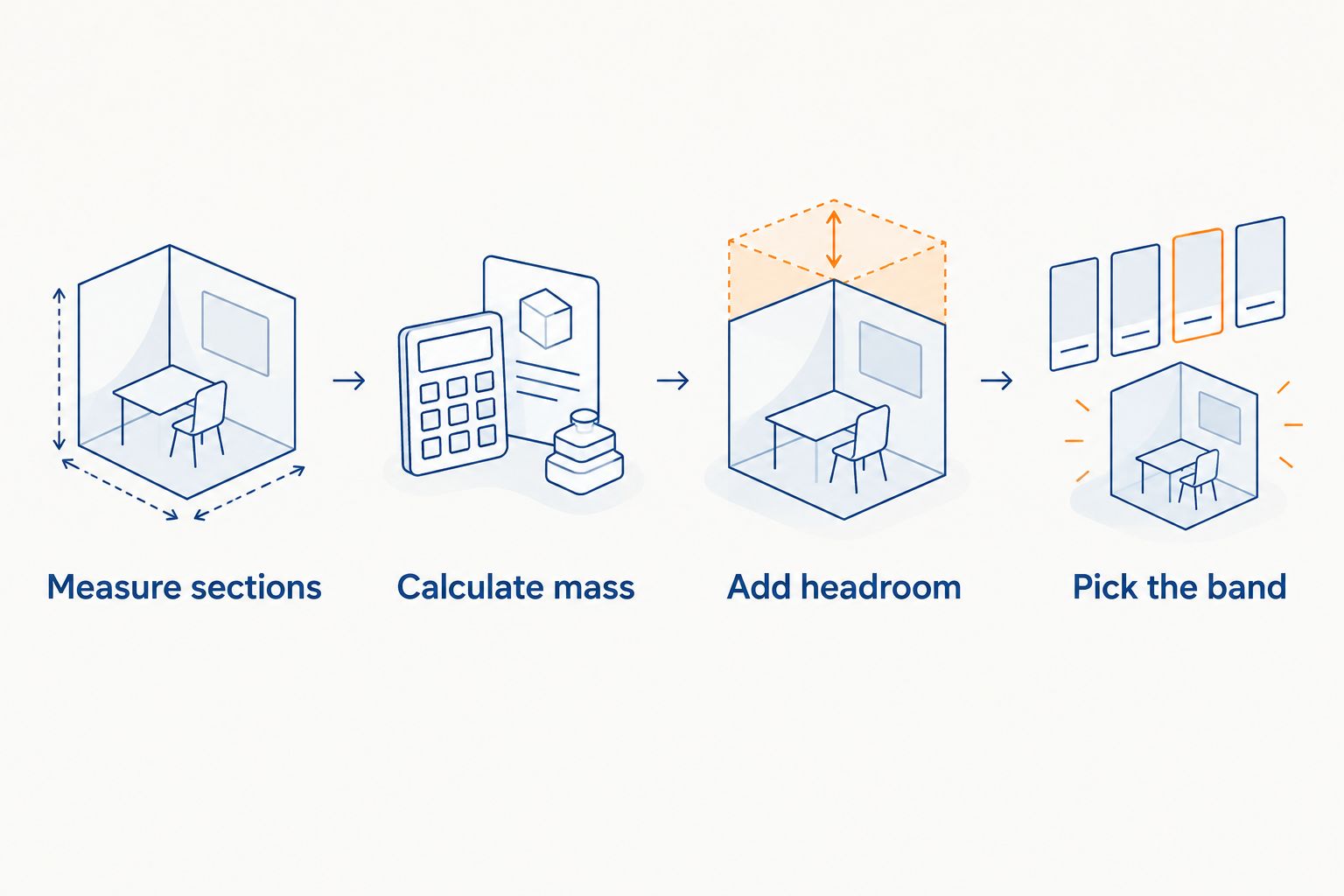
Cladding changes everything. A plain tube gate and the same gate fully clad in steel sheet can land two bands apart. Weigh the gate as it will hang, not as the frame was first welded.
Sliding vs swing: how motor type changes the price
Weight is the main price driver for sliding gates. Swing gate motors are rated differently: by leaf mass and leaf length together, because a long leaf puts more load on the motor arm than its weight alone suggests.
| Motor type | Rated by | Pros | Cons | Best for |
|---|---|---|---|---|
| Sliding gate motor | Total gate mass | One motor moves the whole gate; handles heavy gates | Needs a clear side run for the gate | Compounds with space beside the opening |
| Swing gate motor | Leaf mass and leaf length | Works where there is no side space | Double gates need two motors; wind load on long leaves | Short driveways, narrow plots |
| Low-voltage DC drive | Rated mass, battery backup | Keeps running during power cuts on battery | Battery needs replacing over time | Homes and sites with unreliable mains |
| AC drive | Rated mass, mains power | Suits heavy, high-traffic duty | Stops when mains power fails unless backed up | Industrial gates with stable power |
For a side-by-side of specific sliding models, see our guide to the best sliding gate motors for compounds.
Buying steps
Follow this order. It stops you paying for the wrong band.
- Get the gate mass. Calculate it or get it from the fabricator.
- Check the gate runs freely. Push it by hand along its full travel. It should roll without catching.
- Pick the band with headroom. Move up a band if the gate sits near the top of its current one.
- Choose the drive. DC with battery backup for homes and sites where power cuts happen; AC for heavy industrial duty with stable supply.
- Match the rack. Nylon rack suits lighter gates; steel rack suits heavy and industrial gates.
- Add accessories. Safety beams, remotes and a smart controller if you want phone control.
- Get a quote for supply and installation. Confirm the model's rated gate mass on the spec sheet before paying.
Match your gate to the right motor
Browse sliding and swing gate motors, access control and accessories from Patsec.
Limitations of sizing by weight alone
Weight capacity is the first filter, not the only one.
- Duty cycle. A gate that opens many times an hour works harder than a home gate opened a few times a day. High-traffic sites need a motor built for frequent cycles, even at the same weight.
- Gate condition. A gate that drags on a worn track or bent wheel loads the motor like a heavier gate.
- Slope and wind. A track that is not level, or a clad gate facing strong wind, adds load the spec sheet rating does not cover.
- Swing leaf length. On swing gates, a long light leaf can need more motor than a short heavy one.
Maintenance by capacity band
Heavier gates wear parts faster. Keep the motor inside its rating with basic upkeep.
- All bands: keep the track clean of stones and debris; check wheels and guide rollers for wear.
- Light and medium duty: test the backup battery; replace it when the gate slows or stops during power cuts.
- Heavy and industrial: check rack alignment and fixings; a loose rack section damages the pinion.
- Smart controllers: confirm remote and app control still respond after firmware or network changes. Our WiFi gate motor to remote control workflow covers the setup.
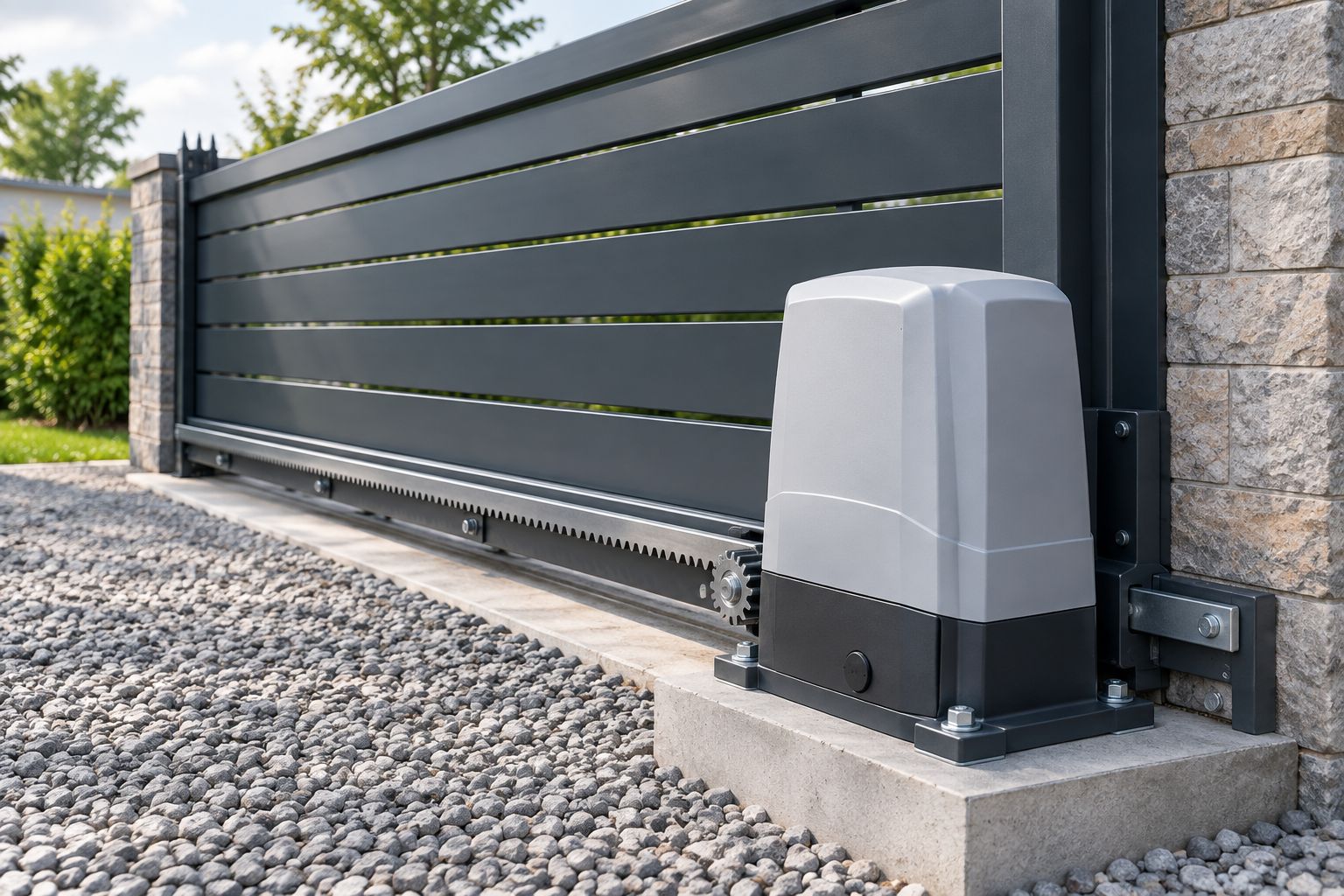
How to use these benchmarks
- Start from the gate, not the price list. Your gate's mass puts you in one band. Compare prices only inside that band.
- Budget one band up when in doubt. The cost of moving up a band is smaller than the cost of replacing a strained motor.
- Treat medium duty as the residential default in 2026. Most clad steel sliding gates on homes land there.
- Reserve heavy and industrial for sites that need them. A light home gate gains nothing from an industrial motor except cost.
Verdict: Patsec's rule for gate motor buyers is simple — size the motor to your gate's real weight plus headroom, and compare prices only within that capacity band.
FAQ
How much does a gate motor cost in Kenya in 2026?
A gate motor’s cost in 2026 depends first on its rated gate mass: light-duty motors cost least and industrial motors cost most. Check current listings or request a quote for exact KSh figures.
What weight capacity gate motor do I need?
You need a motor rated above your gate’s actual mass. Calculate the gate’s weight from its steel sections, then pick the band with headroom above that figure.
Is a heavier-rated gate motor always better?
No. A motor far above your gate’s weight costs more without a practical gain. Match the band to the gate, with modest headroom.
Is a sliding gate motor better than a swing gate motor?
A sliding motor is better when you have side space and a heavy gate. A swing motor suits narrow plots with no room for the gate to slide.
What’s the best gate motor for a home in Kenya?
For most homes, a medium-duty low-voltage DC sliding motor with battery backup is the right fit. It covers typical clad steel gates and keeps working during power cuts.
How do I find out how heavy my gate is?
Measure each steel section and multiply its volume by steel’s density of 7,850 kg/m³, or ask the fabricator. Include all cladding in the total.
Does gate condition affect which motor I need?
Yes. A gate that drags on a worn track loads the motor like a heavier gate. Fix the track and wheels before sizing the motor.
One last thing
The cheapest way to protect a gate motor is to fix the gate before you buy the motor. Push the gate by hand along its full run. If it catches, binds or needs a hard shove, repair the track and wheels first. A free-running gate lets a motor work inside its rating in 2026 and for years after; a dragging gate pushes even a correctly sized motor past its limit.
Related guides
- Best automatic gate motor for a home driveway in Kenya
- Automatic gate systems for real estate developers