 English
 Razor Wire Price in Kenya 2026: What Sets the Cost
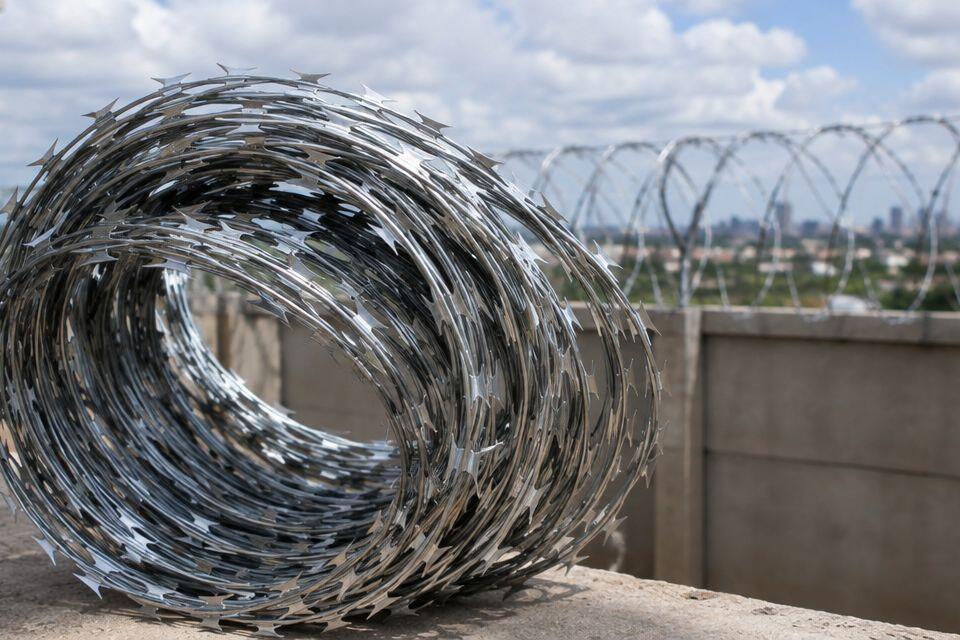
Razor wire price in Kenya is not a single fixed number — it moves with coil type, wire gauge, coating, and how much of the perimeter you're covering, and any supplier quoting one flat shilling figure for every wall is skipping the details that actually set the cost.
- Razor wire price in Kenya tracks coil type first: BTO-22 uses the least steel and sits at the low end, CBT-65 double-coil wire sits at the high end.
- Coating matters as much as coil size — hot-dip galvanized wire costs more upfront than electro-galvanized but holds up longer against Kenya’s humid coastal and highland climates.
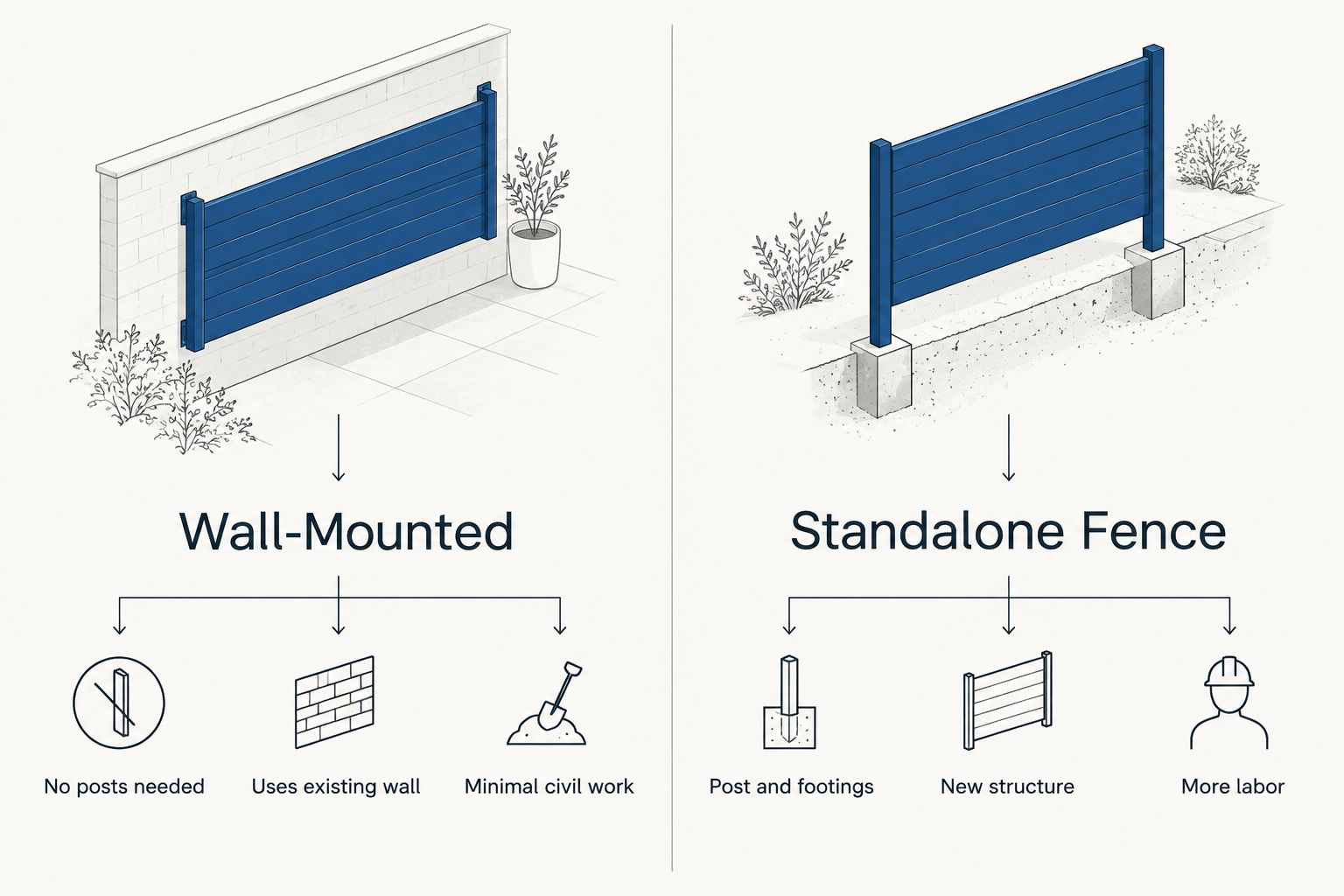
- Wall-mounted installation costs less overall than a standalone razor wire fence because standalone runs need posts, brackets and concrete footings on top of the wire itself.
- Patsec Security Store recommends quoting per running metre, inclusive of overlap and fittings, not per coil, to avoid under-budgeting a perimeter run.
Why razor wire pricing varies so much
Razor wire is priced by the coil, but every coil is not the same product. Diameter, wire gauge, blade density, and the zinc coating all change how much steel goes into a metre of finished wire, and steel cost plus the shilling's position against the dollar move the shelf price from month to month in 2026.
That's why two quotes for "razor wire" on the same day can differ sharply — one is pricing BTO-22 for a residential wall, the other is pricing CBT-65 double-coil wire for a commercial perimeter. Before you compare numbers, compare specifications. Razor wire for perimeter fencing from Patsec Security Store breaks down which coil type suits which wall type, and that choice is the single biggest driver of your final cost.
Razor wire price in Kenya by coil type
Coil type is the first variable to lock down. It sets how much wire and steel you're buying before installation labor even enters the conversation.
| Coil Type | Typical Coil Diameter | Steel Use per Coil | Relative Price Tier |
|---|---|---|---|
| BTO-22 | 450mm | Lowest | Low |
| BTO-30 | 600mm | Medium | Medium |
| CBT-65 (double coil) | 980mm | Highest | High |
| All types (blended average) | — | Medium | Medium (yardstick) |
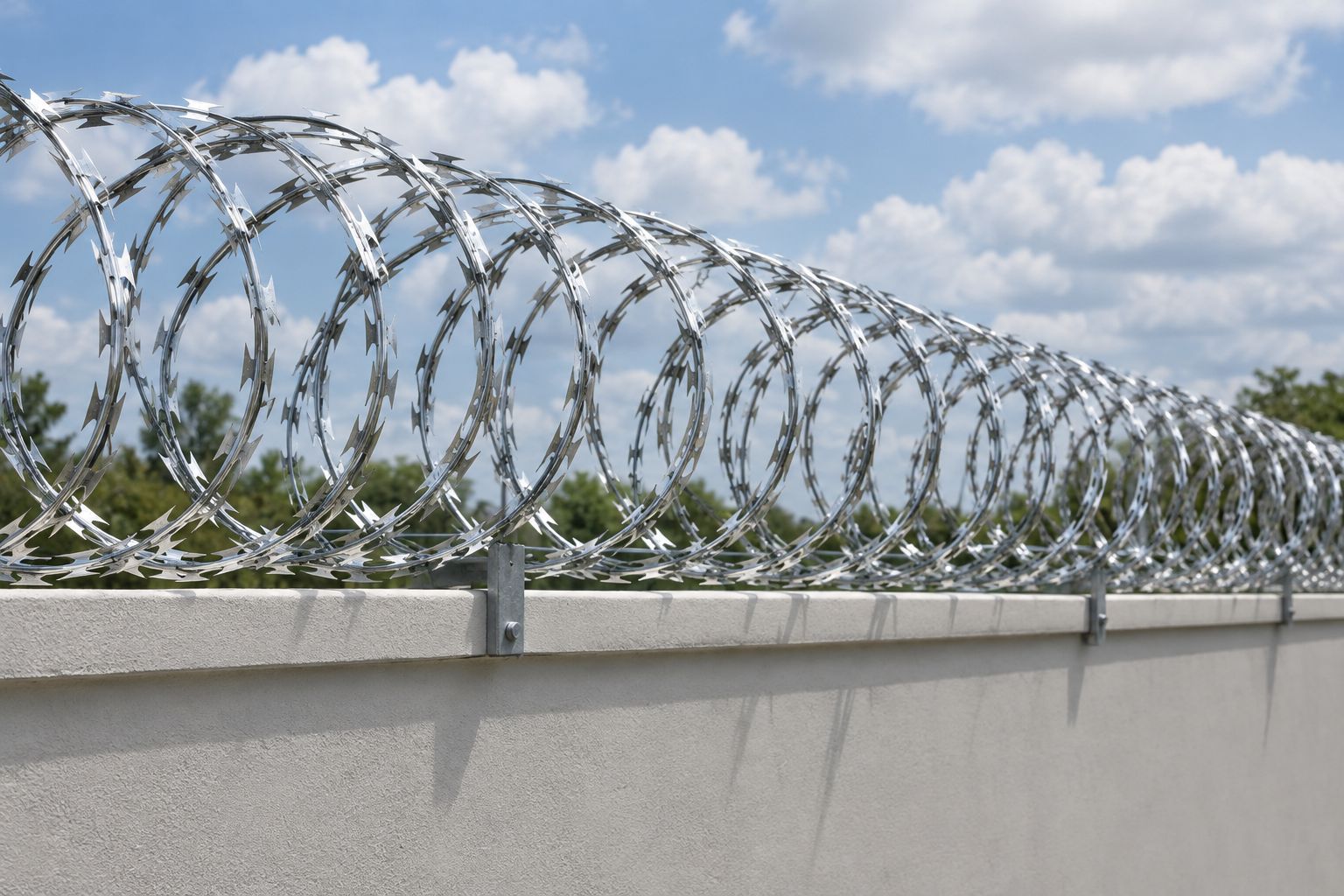
BTO-22 sits at the bottom of the price range because it uses the least steel per linear metre of finished barrier. CBT-65 sits at the top because two coils are woven together into one denser, taller barrier, roughly doubling the wire content for the same run length. BTO-30 lands between the two on both diameter and cost.
These tiers reflect standard concertina razor wire specifications used across security suppliers in Kenya, not one vendor's private price sheet. The limitation: landed cost still shifts with the KES/USD exchange rate and global steel prices, so a "Low" or "High" tier here tells you the ranking, not a locked-in shilling figure — confirm current pricing before you order.
How to use these tiers
- Match coil type to threat level. BTO-22 covers a standard residential wall; CBT-65 is best for high-security perimeters like warehouses or industrial yards.
- Check the coating before comparing price. Hot-dip galvanized wire costs more than electro-galvanized wire of the same coil type but resists corrosion longer in humid conditions.
- Buy full coil lengths where possible. Cutting coils to fit odd wall lengths wastes wire and pushes your per-metre cost up.
- Separate wire cost from fittings. Posts, brackets, tie wire and clips are priced apart from the razor wire coil itself.
Installation factors that change your total perimeter cost
Coil price is only part of the bill. How the wire goes up — on an existing wall or on a new standalone fence — changes the total spend more than most buyers expect.
| Installation Factor | Wall-Mounted Razor Wire | Standalone Razor Wire Fence |
|---|---|---|
| Existing structure required | Yes (uses the wall) | No |
| Posts and footings | Not needed | Required |
| Civil/concrete work | Minimal | Significant |
| Relative total cost | Lower | Higher |
Wall-mounted razor wire is the cheaper overall option because it rides on a structure you've already paid for. A standalone razor wire fence costs more across the board — it needs its own posts, concrete footings, and often multiple wire rows, which adds labor and materials that a wall-top installation skips entirely.
This pattern is consistent with how chain link fence prices work in Kenya too — the fencing material is rarely the biggest line item once posts, footings and labor are added. The limitation on this table: labor rates vary by contractor and county, so the cost gap between the two methods isn't fixed, only the direction of it is.
How to use these factors
- Get separate line items for wire, fittings, posts and labor so you can see where the money actually goes.
- Combine razor wire with electric fencing on a standalone perimeter when the boundary has no existing wall — the two systems share posts, which cuts civil work.
- Ask about strand rows. More rows of wire on a standalone fence raise both material and labor cost.
- Confirm the quote is per running metre, not per coil, since coil overlap during installation reduces the effective coverage of each coil.
Why this matters for your budget
A buyer who prices razor wire by coil type alone, without accounting for coating and installation method, ends up with a number that doesn't match the final invoice. The coil is one line on a bigger bill that includes fittings, posts where needed, and labor — and every one of those lines moves independently with steel prices and contractor rates in 2026.
Asking for a written breakdown before work starts is the single best way to avoid a surprise on delivery day.
Get a razor wire quote for your perimeter
Confirm coil type, coating and installation cost before you order.
FAQ
How much does razor wire cost in Kenya?
There’s no single fixed price — it depends on coil type, wire gauge, coating and how much perimeter you’re covering. BTO-22 sits at the low end of the range and CBT-65 double-coil wire sits at the high end; confirm current pricing with a supplier for your exact specification.
What is the difference between BTO-22 and CBT-65 razor wire?
BTO-22 is a single coil roughly 450mm in diameter with lower steel content, while CBT-65 weaves two coils together into a denser barrier around 980mm in diameter. CBT-65 costs more because it uses more steel per metre.
Which razor wire type is best for a home perimeter wall?
BTO-22 is best for standard residential walls because it uses the least steel and mounts easily on an existing wall top. Higher-security sites typically use BTO-30 or CBT-65 instead.
Is wall-mounted razor wire cheaper than a standalone fence?
Yes. Wall-mounted razor wire skips posts and concrete footings because it uses a structure you already have, while a standalone razor wire fence needs its own posts and civil work, which raises the total cost.
Does razor wire coating affect price?
Yes. Hot-dip galvanized wire costs more than electro-galvanized wire of the same coil type but resists corrosion longer, which matters in Kenya’s humid coastal and highland conditions.
Can razor wire be combined with an electric fence?
Yes, razor wire and electric fencing are commonly combined on the same perimeter, sharing posts on a standalone run to reduce civil work compared to building two separate structures.
Should I get a razor wire quote per coil or per metre?
Ask for a quote per running metre inclusive of overlap and fittings, not per coil. Coils overlap during installation, so the per-coil price alone understates what a full perimeter run actually needs.
What else affects razor wire pricing besides coil type?
Quantity ordered, coating type, number of wire rows, and whether posts and installation labor are included all change the final cost beyond the base coil price.
One last thing
The detail most buyers miss: a coil's stated length is its extended length, not its installed coverage. Once a coil is stretched and overlapped with the next one during fitting, the effective metres of fence it covers is shorter than the number printed on the packaging — factor that into how many coils you actually order, not just how many metres of wall you're covering.
Related guides
- Chain link fence prices in Kenya
- How to choose an electric fence installer in Kenya
- Best electric fence energizers for homes in Kenya